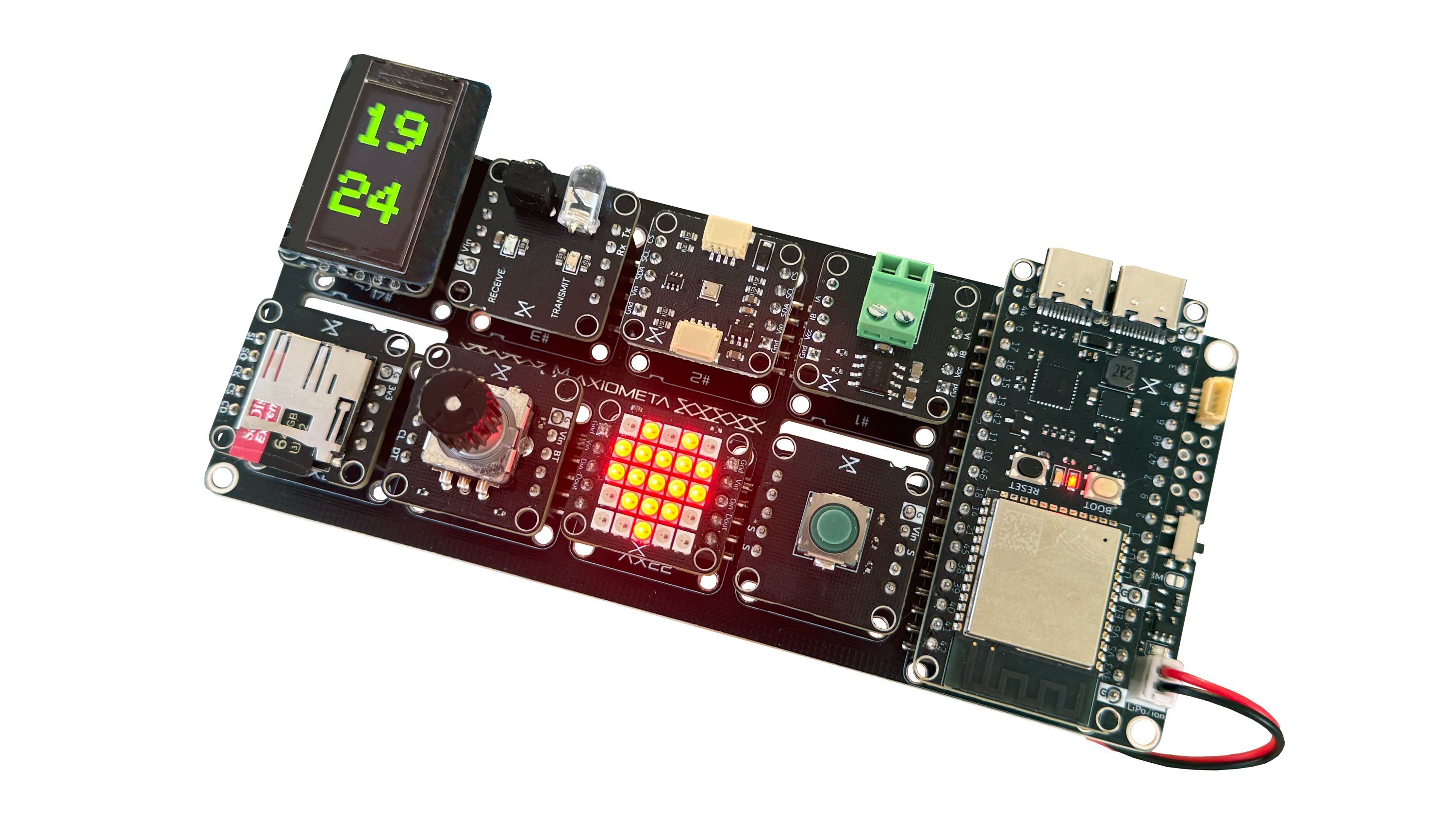
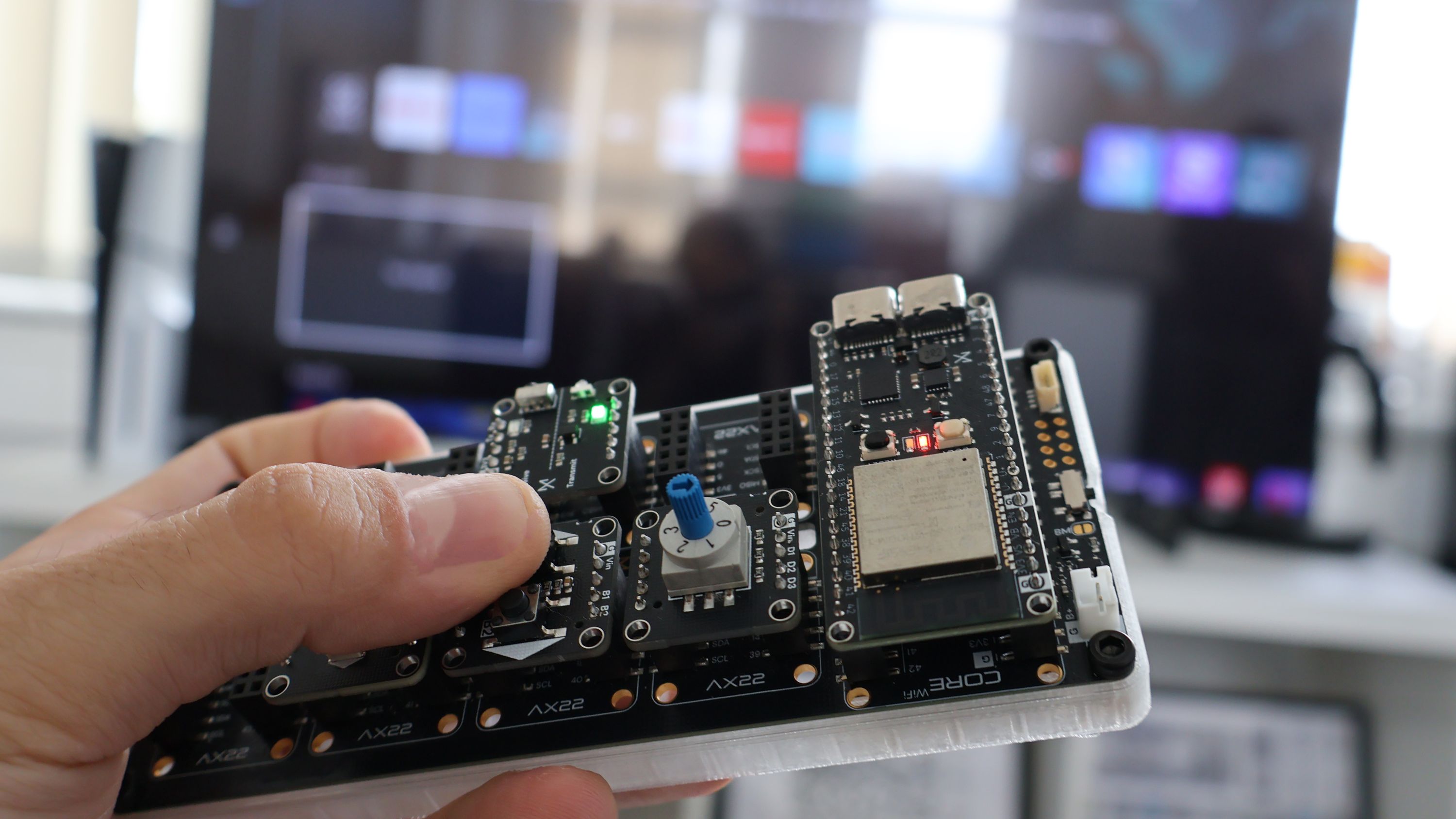
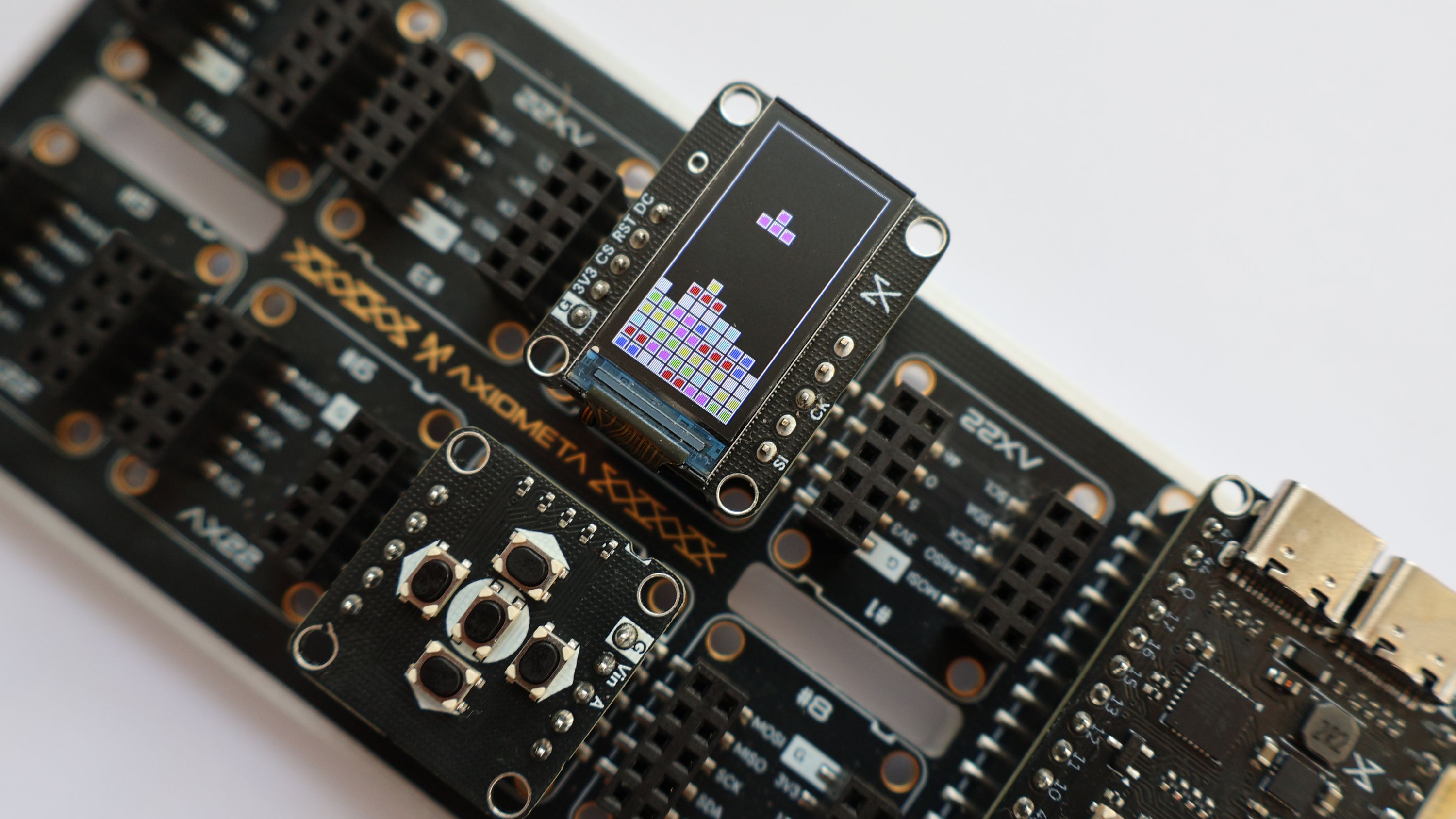
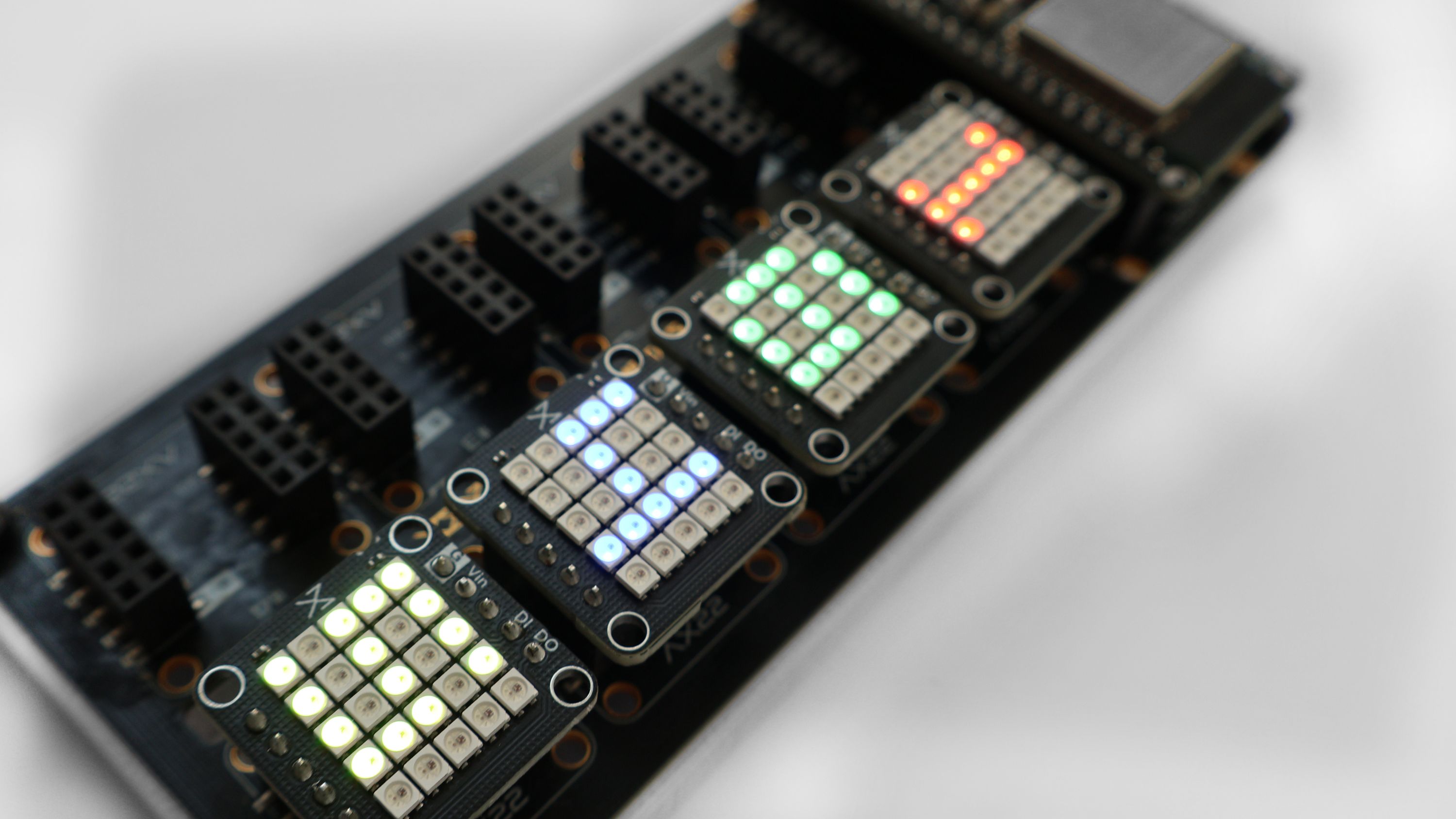
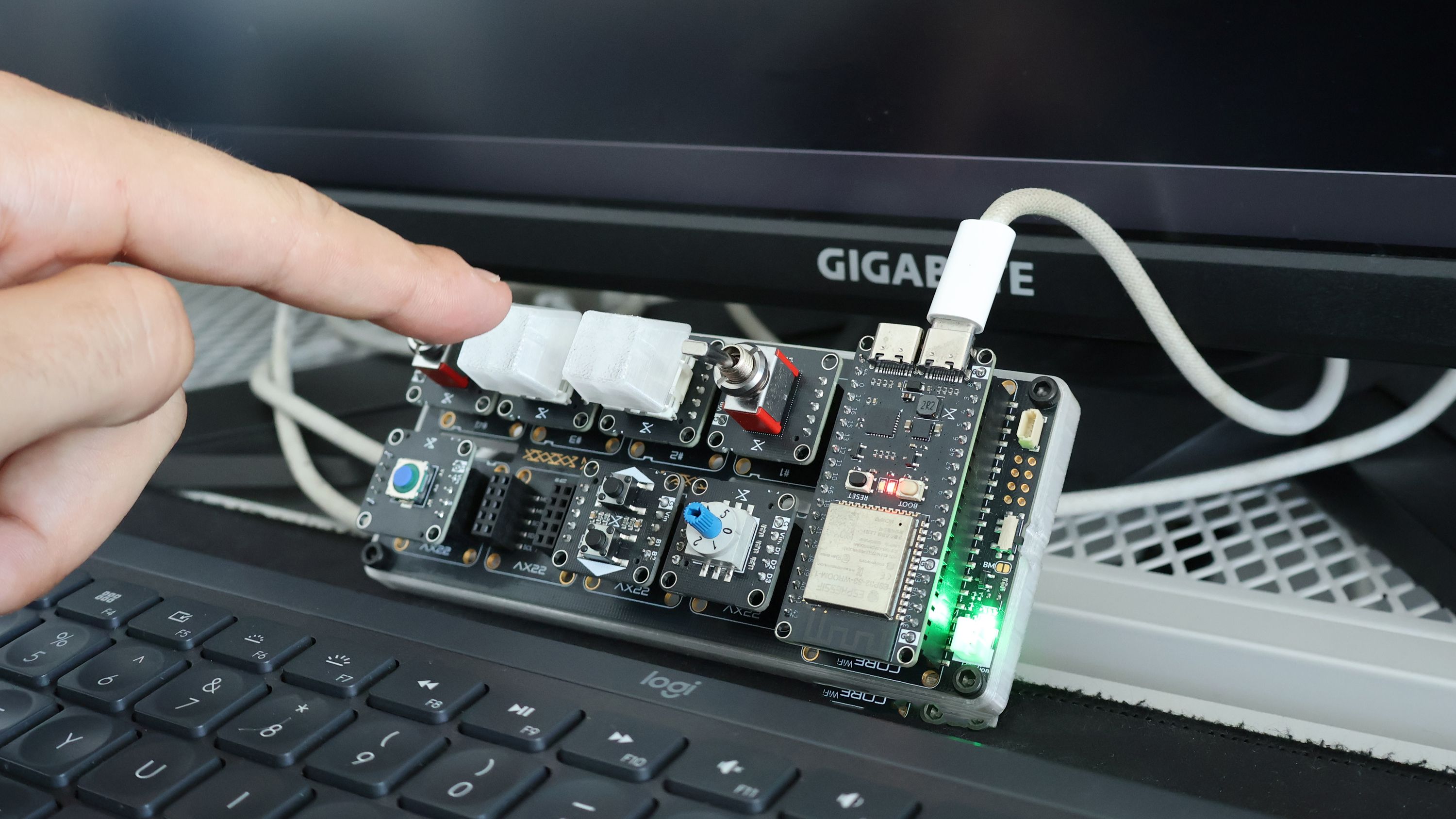
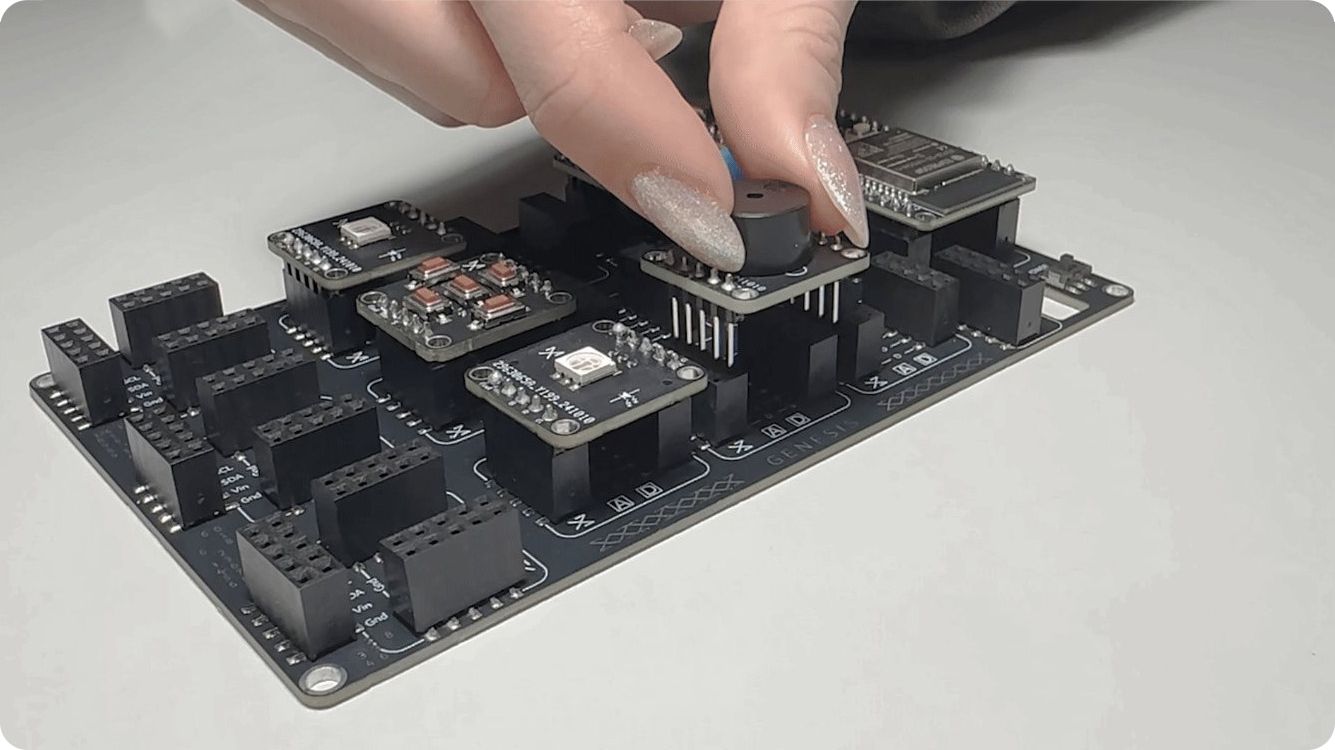
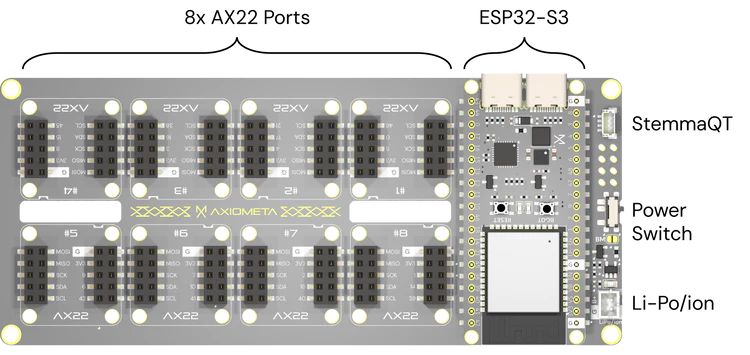
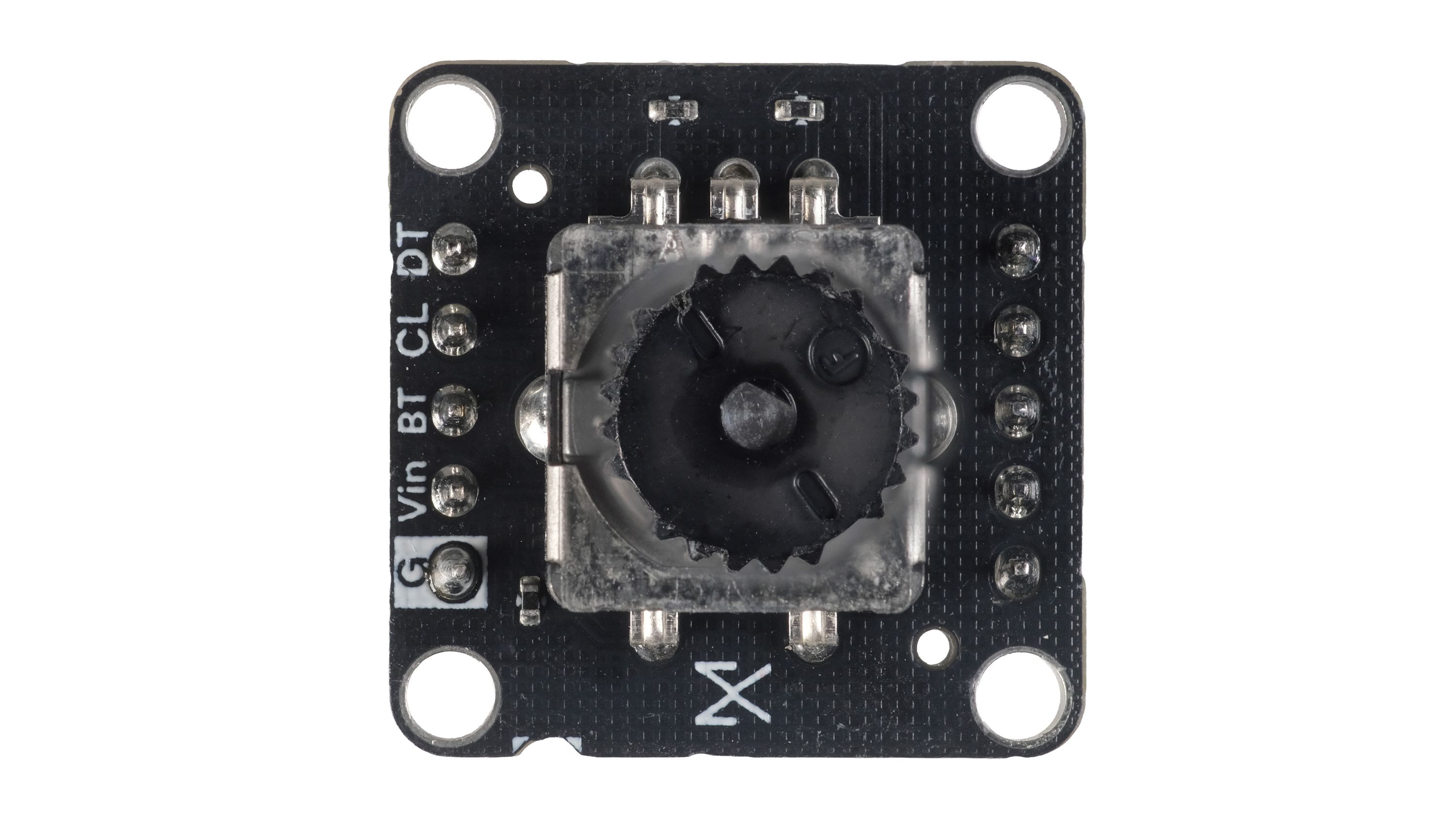
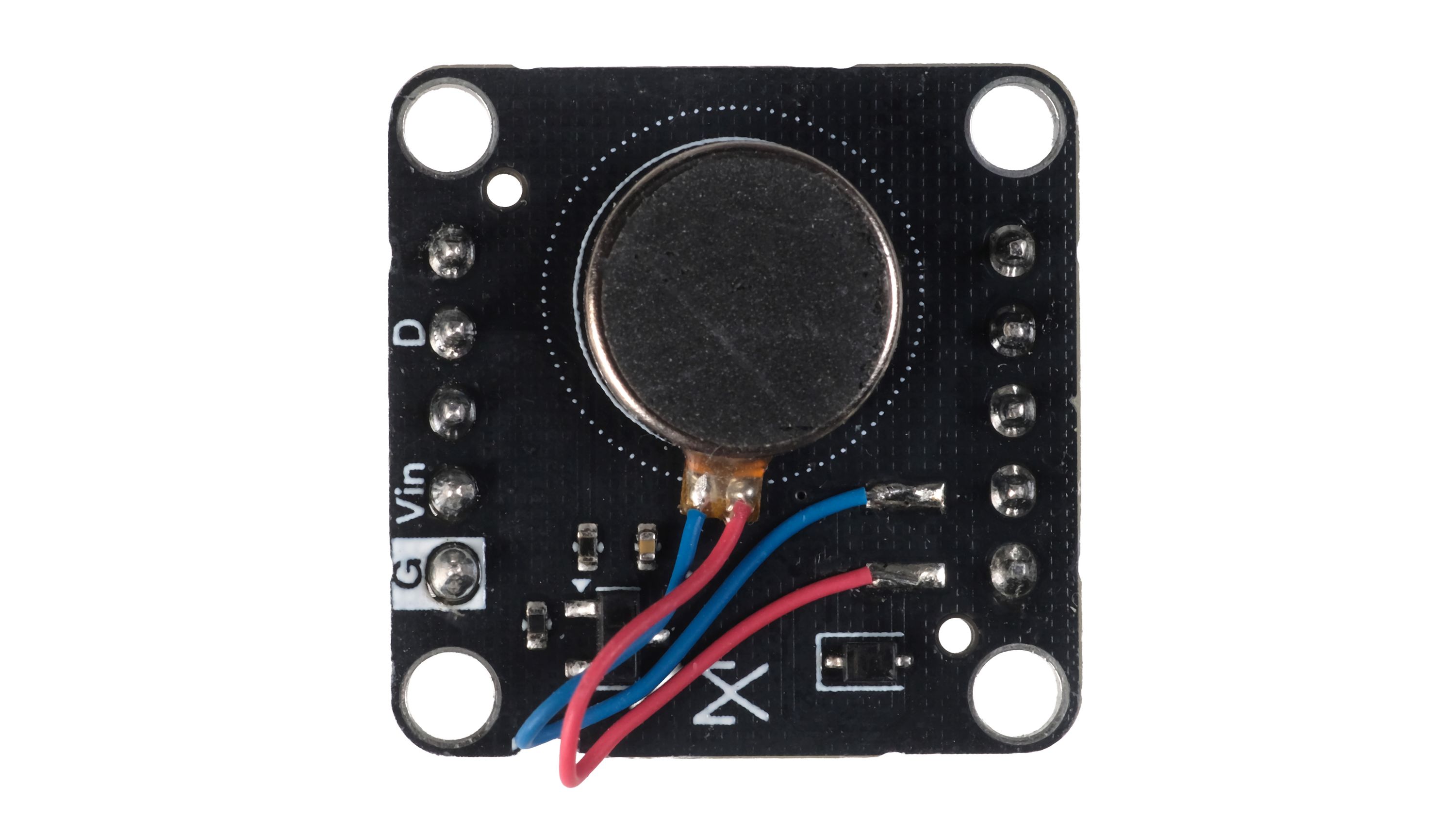
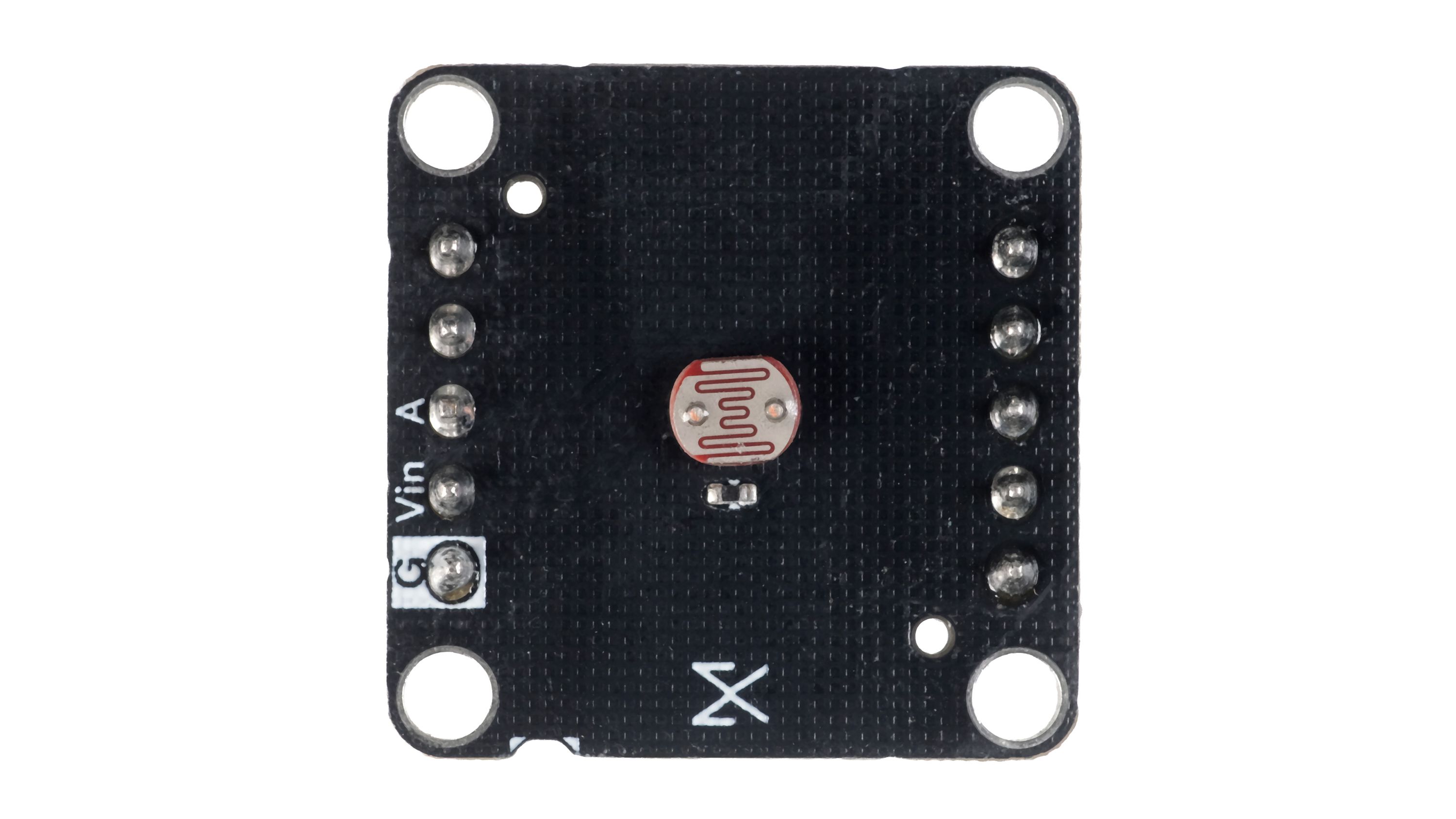
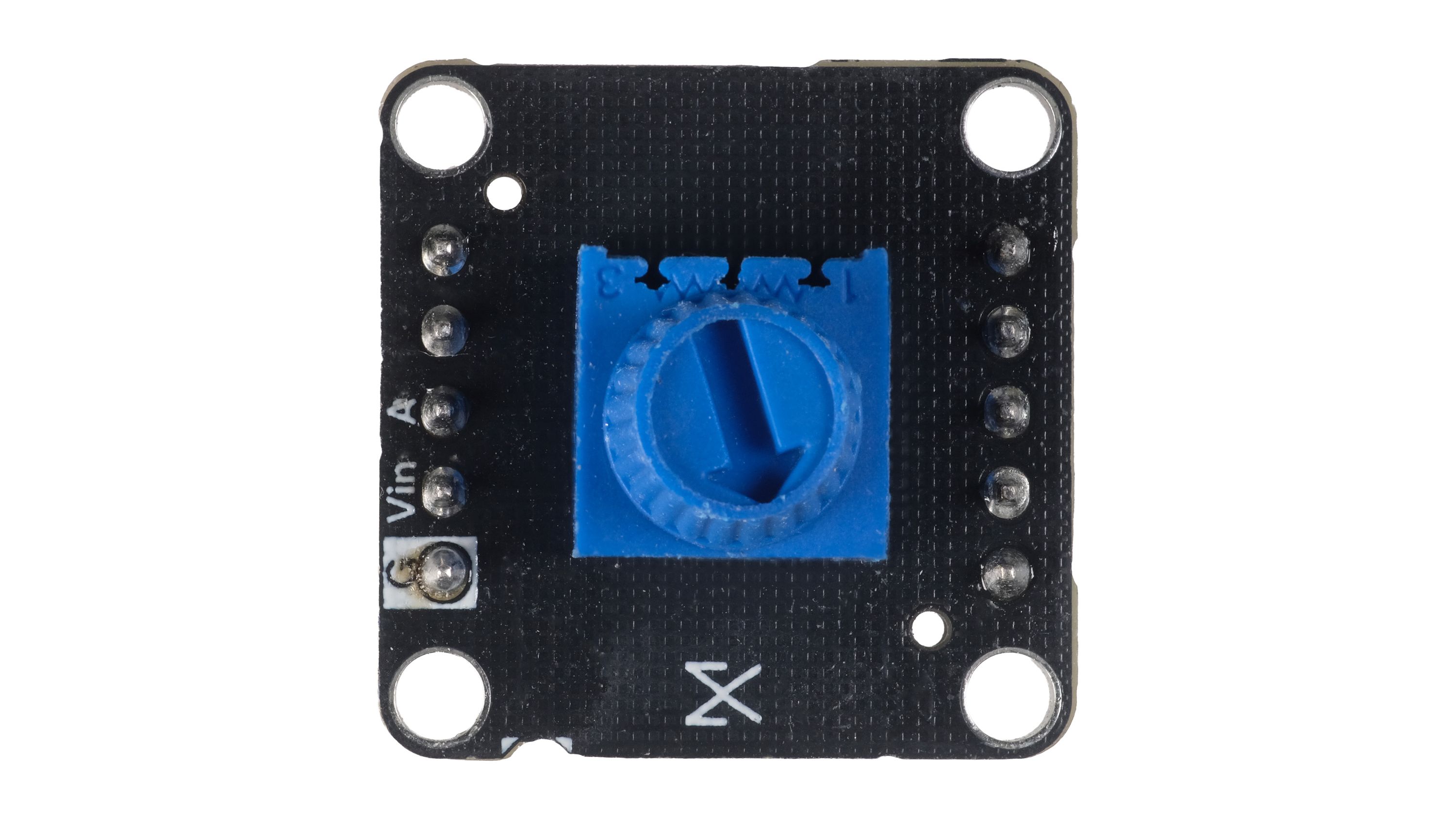
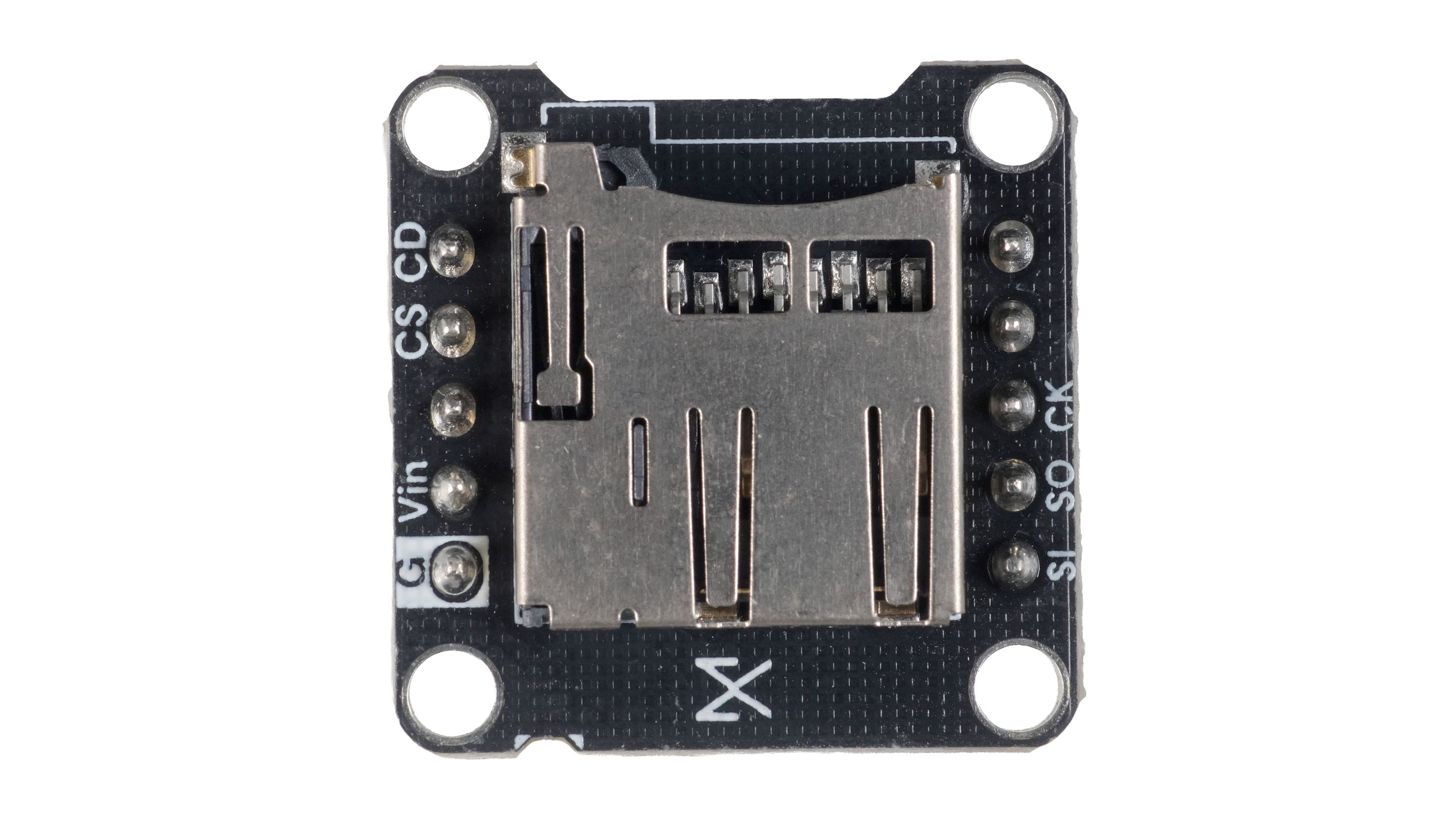
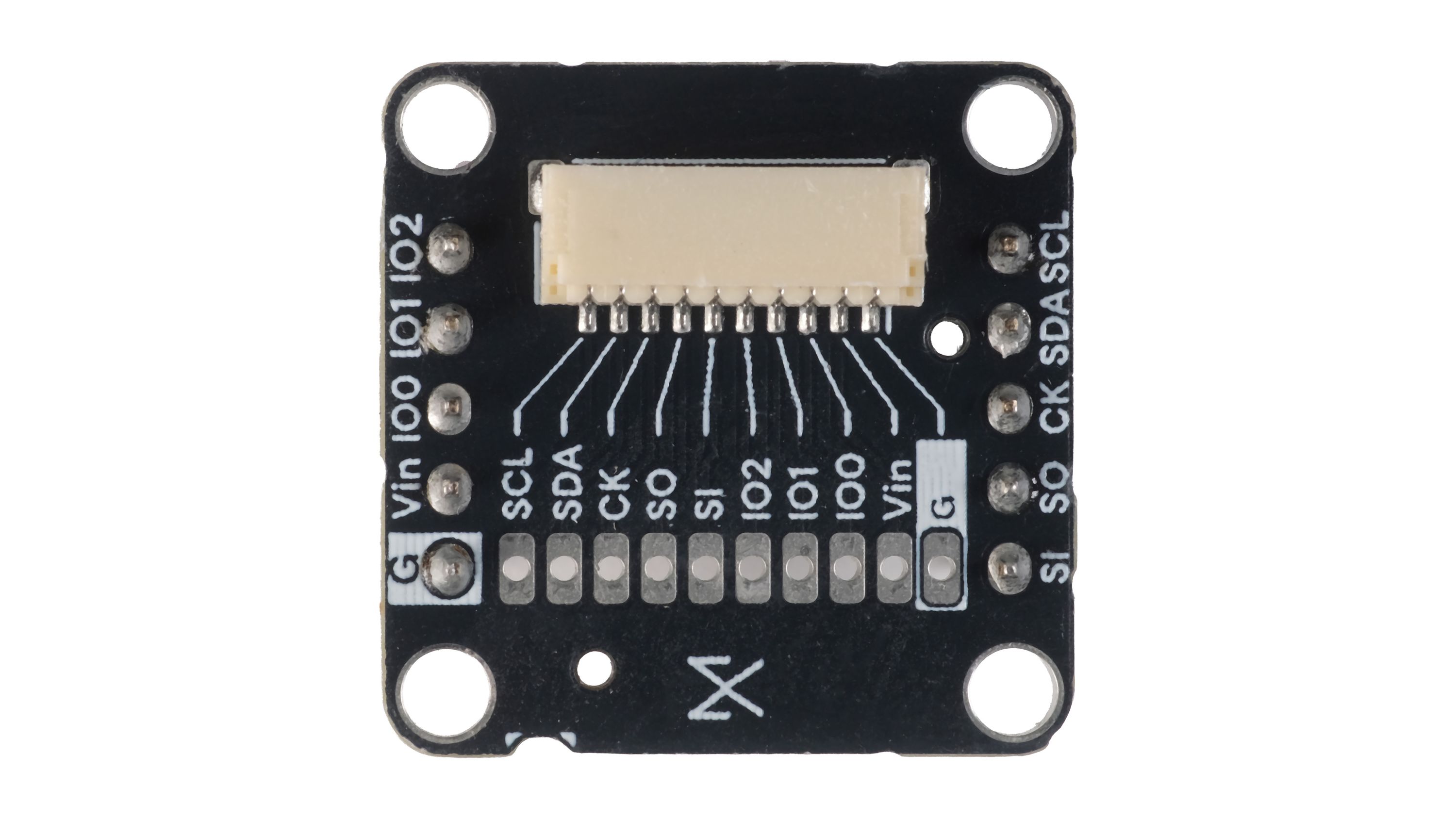
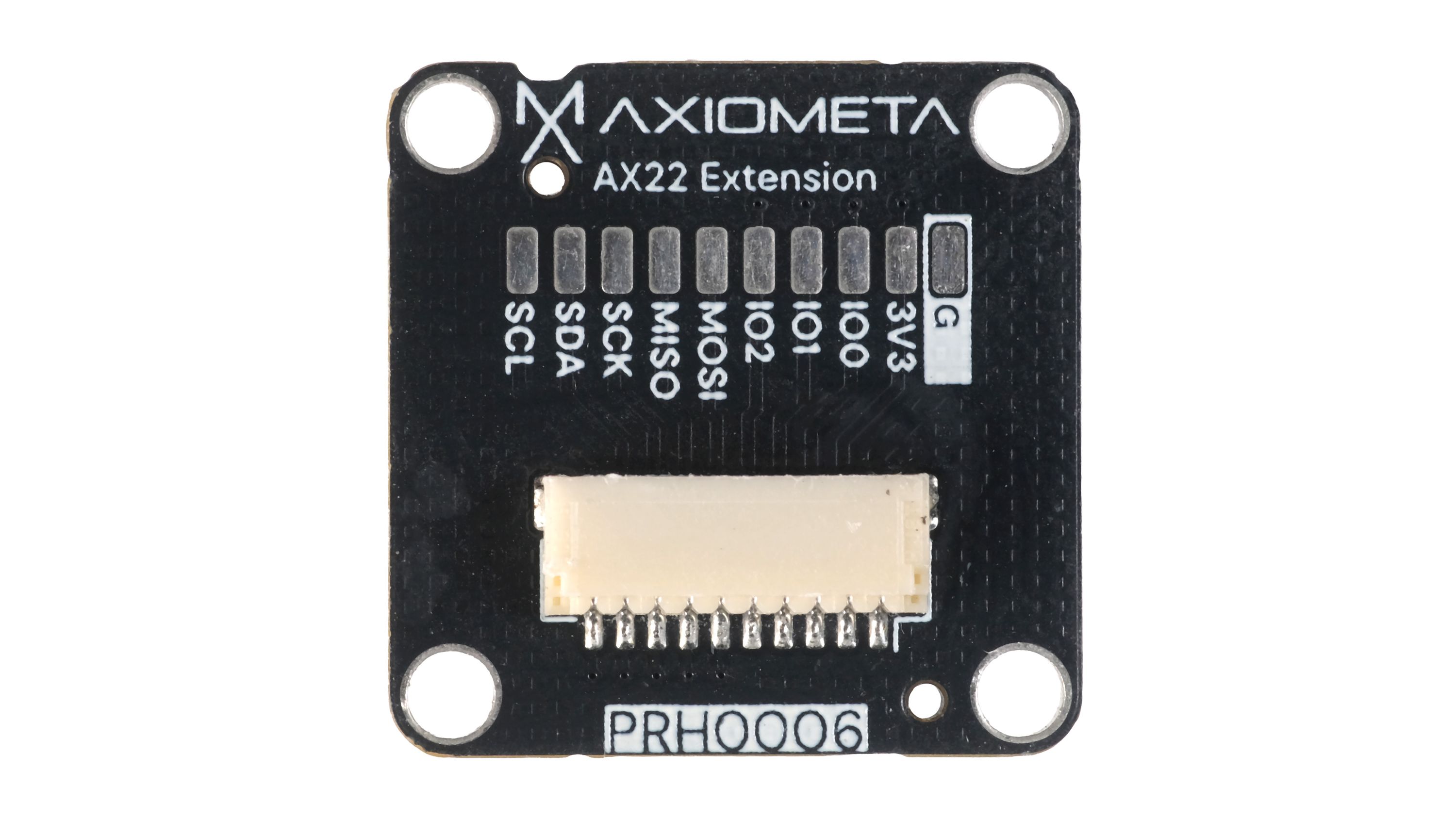
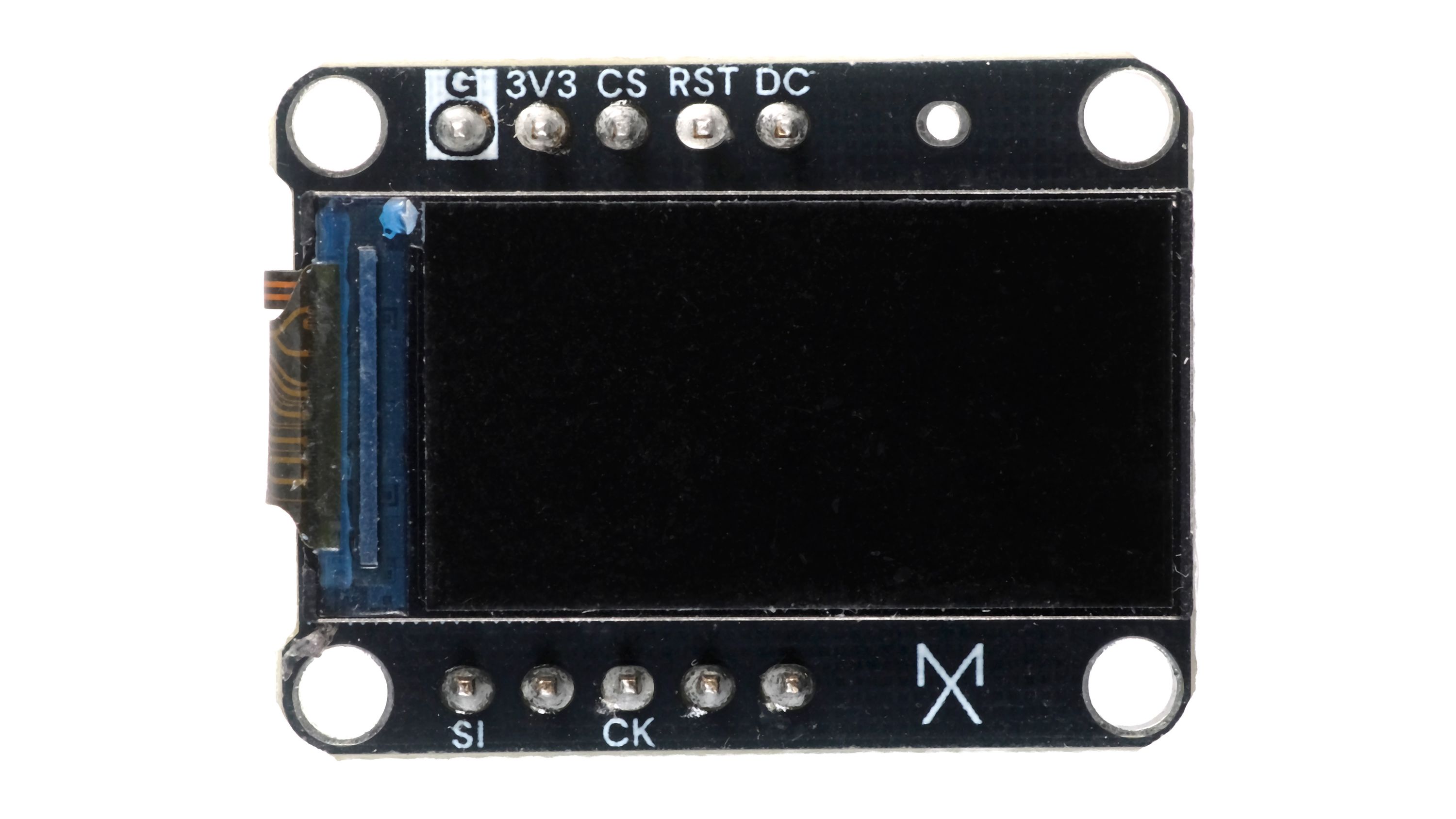
Genesis IoT Discovery Lab is a modular, Wi-Fi-enabled prototyping system built around a standardized AX22 connector. Our ESP32-S3 board provides six Genesis ports that modules plug into directly. The connection standard can be implemented on other microcontroller platforms, making modules compatible across different boards. This platform eliminates breadboard wiring for common tasks like sensor reading, display control, and motor driving. Modules lock securely in place and provide reliable electrical connections. This reduces setup time and prevents connection failure during development and testing.
We’ve designed a complete system that’s ready to go as soon as you open the box. You’ll find helpful modules with sensors, buttons, switches, motors, LEDs, and more. And because it’s open hardware, it’s easy to design and add your own modules. The Genesis IoT Discovery Lab also includes a battery connector with built-in charging, so projects are fully portable.
Whether you’re new to designing hardware or a seasoned developer looking to iterate more quickly on your latest creation, the Genesis IoT Discovery Lab has something to offer.
Explore & Create
The Genesis IoT Discovery Lab is tailor-made for tinkerers and makers of all stripes. Dozens of ready-made AX22 modules make it the perfect foundation for rapid prototyping, and it’s simple enough to make it amazing for students. Tested in university and classroom settings, the Genesis IoT ecosystem simplifies teaching by removing the need for extensive debugging and enables an organized, repeatable approach to delivering lessons to students. Because it’s compatible with the Arduino IDE, MicroPython, CircuitPython, and popular standards like STEMMA QT and Qwiic, you can expect it to work how you want it to.
Standardized pinouts support over 50 sensors and peripherals, making it an excellent choice for creating tailored solutions such as IoT devices or flight-simulator peripherals. This makes it a fantastic jumping-off point for designing custom hardware. Moreover, Genesis’ structured layout retains full compatibility with traditional breadboards, for even more flexible prototyping scenarios.
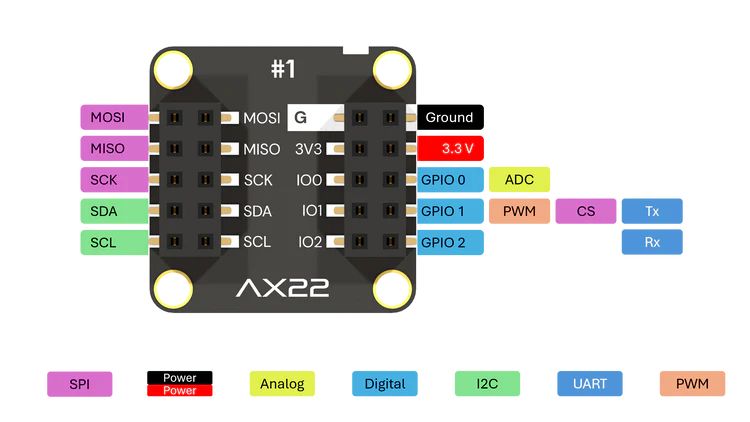
The Genesis connector uses a fixed 10-pin layout with standardized power, analog, UART, I²C, SPI, and GPIO signals. This pinout works on any microcontroller platform that can provide these interfaces. Current modules will function on Raspberry Pi Pico or STM32 boards that implement the same connector so you can switch between platforms without redesigning modules or changing connections. A temperature sensor module works identically whether connected to ESP32 or Pi Pico.
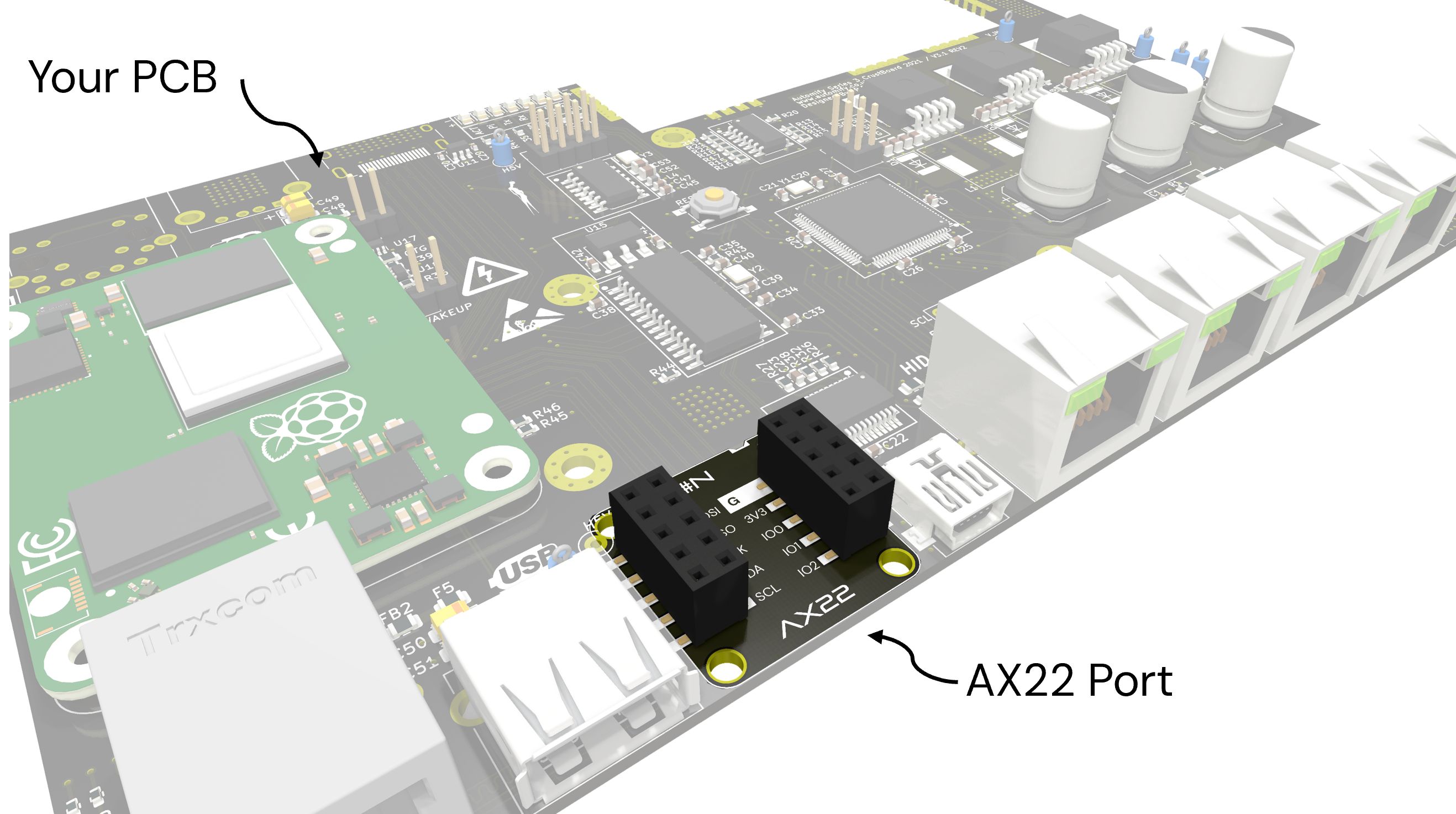
Custom PCB designers can add AX22 ports to their boards and immediately access all compatible modules. The connector specification is open and documented.
Mechanically Secure Connections
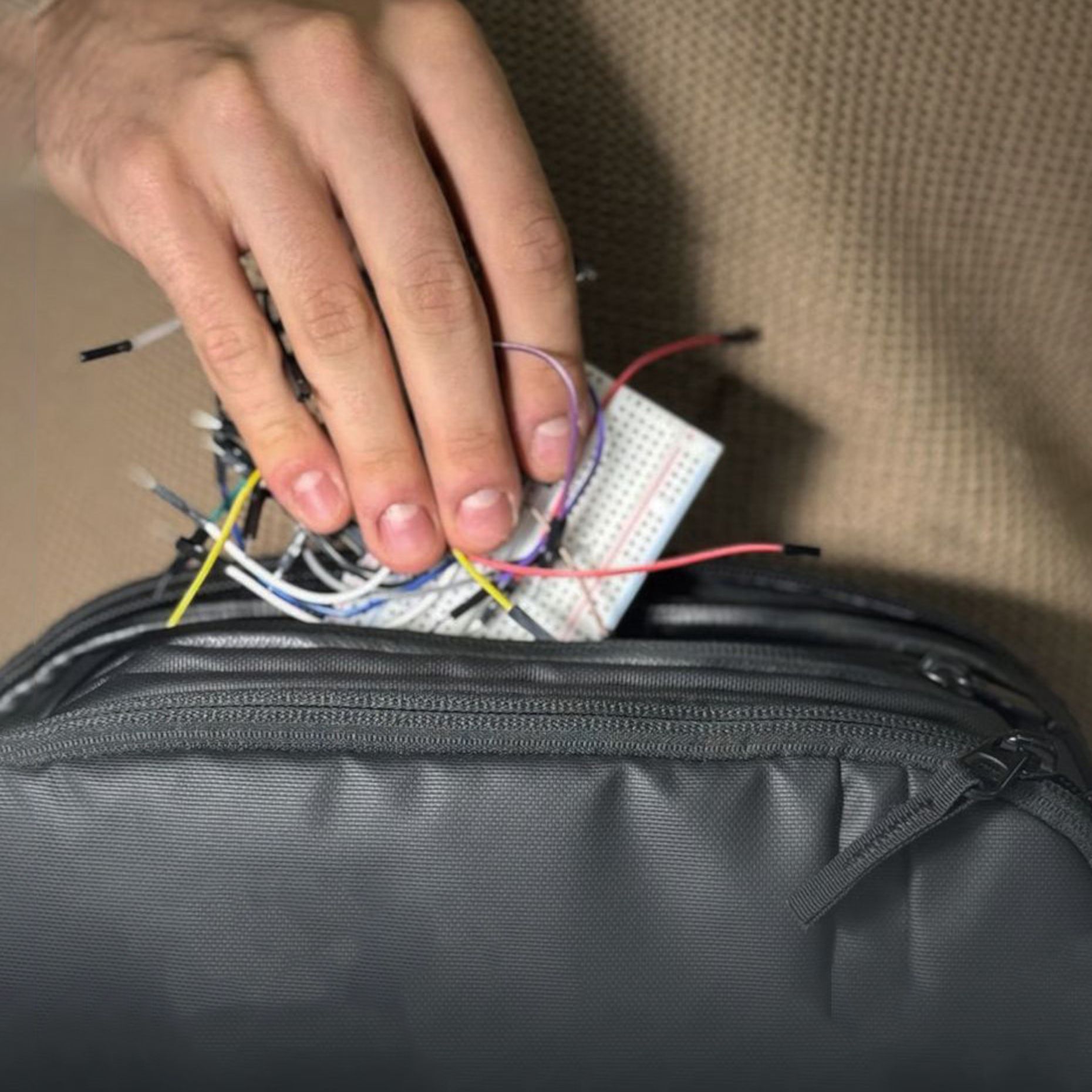
Genesis connectors use a mechanical interface that is stronger than breadboard connections or loose header pins, so you can transport, integrate, and demo your projects without worrying about connection failures.
Reduced Development Time
Common prototyping tasks require no wiring when using Genesis modules. Connecting a sensor involves plugging it into an available port. The system automatically handles power distribution, signal routing, and electrical protection. Software libraries provide consistent interfaces for all modules, and I²C addresses are documented and collision-free. Our module documentation also includes working code examples and hardware specifications. Working with Genesis IoT Discovery Lab is faster than breadboard prototyping for multi-module projects and reduces troubleshooting time by eliminating connection issues.
The AX22 Standard
We didn’t intend to create yet another hardware standard—AX22 was simply the outcome of building as many useful modules as possible and making sure they could be easily arranged and reused on the Genesis platform.
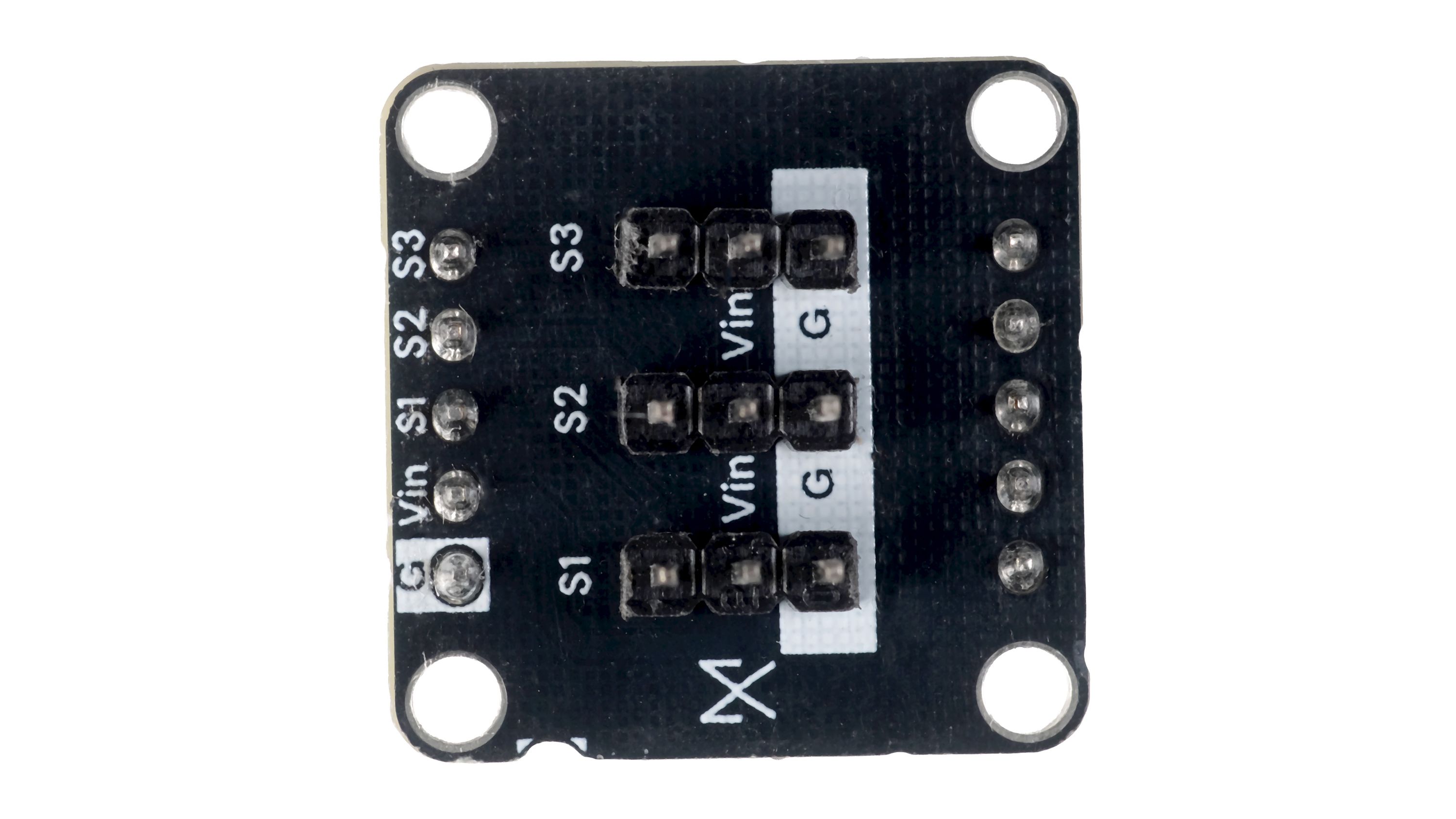
Each module implements our 22x22 mm format with a 10-pin interface that supports I²C, SPI, UART, 3x GPIO, and 1x analog input, so you can plug any module into any port without rewiring or remapping. By adopting AX22, you reap some of the following benefits:
- Standardization: Ensures consistent ground, voltage, and signal configurations across components, reducing errors during integration.
- Efficiency: Facilitates faster development cycles, allowing engineers and educators to focus on functionality rather than setup.
- Robust Design: The modular, mechanically secured layout improves reliability during development and transport.
- Flexibility: Seamlessly integrate the open source AX22 standard, free from vendor lock-in or IDE limitations.
Features & Specifications
Genesis Matrix
- ESP32-S3-WROOM-1-N8R2
- USB OTG and UART (CP2102)
- 240 MHz 32-bit LX7 MCU
- 12-bit ADC resolution
- Wi-Fi (802.11 b/g/n)
- Bluetooth 5
- 2 MB Quad SPI PSRAM
- 8 MB Flash
- Short circuit protection
- 1S Li-Po/Li-Ion battery connection (charged via USB Type-C port on ESP32)
- Power switch
- 8x universal ports (configurable as any protocol)
- StemmaQT/Qwicc connection
Included Peripherals
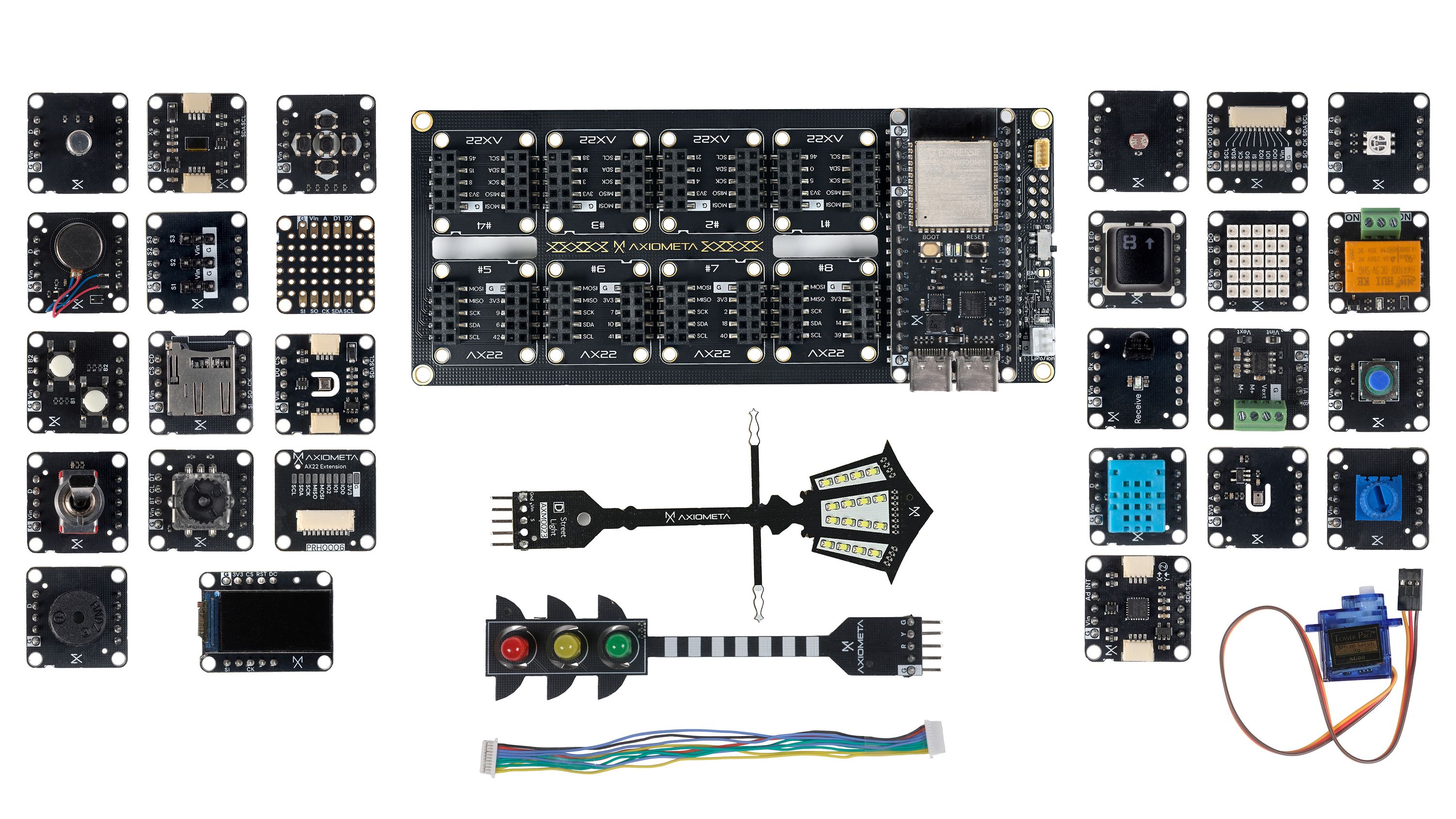
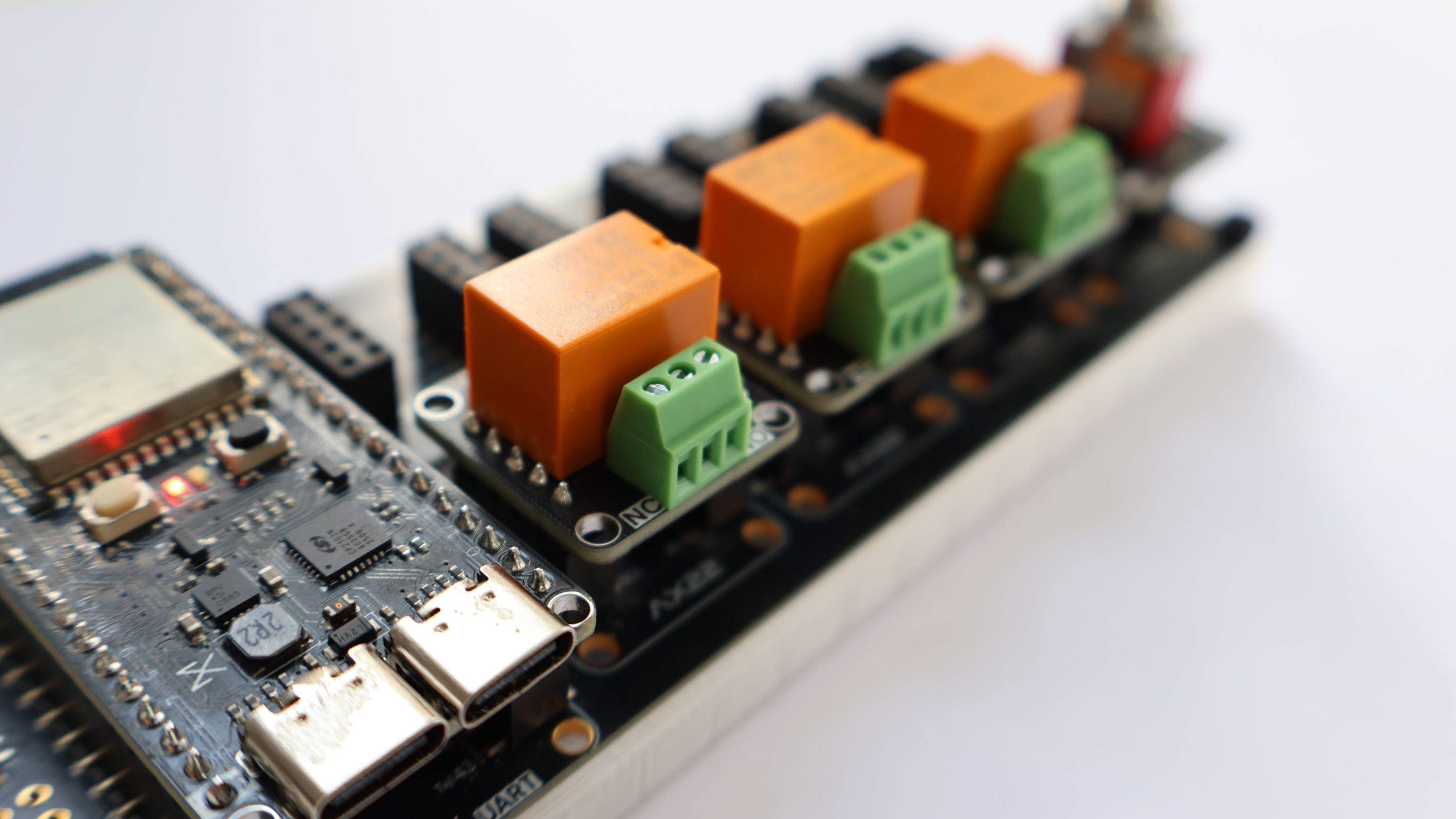
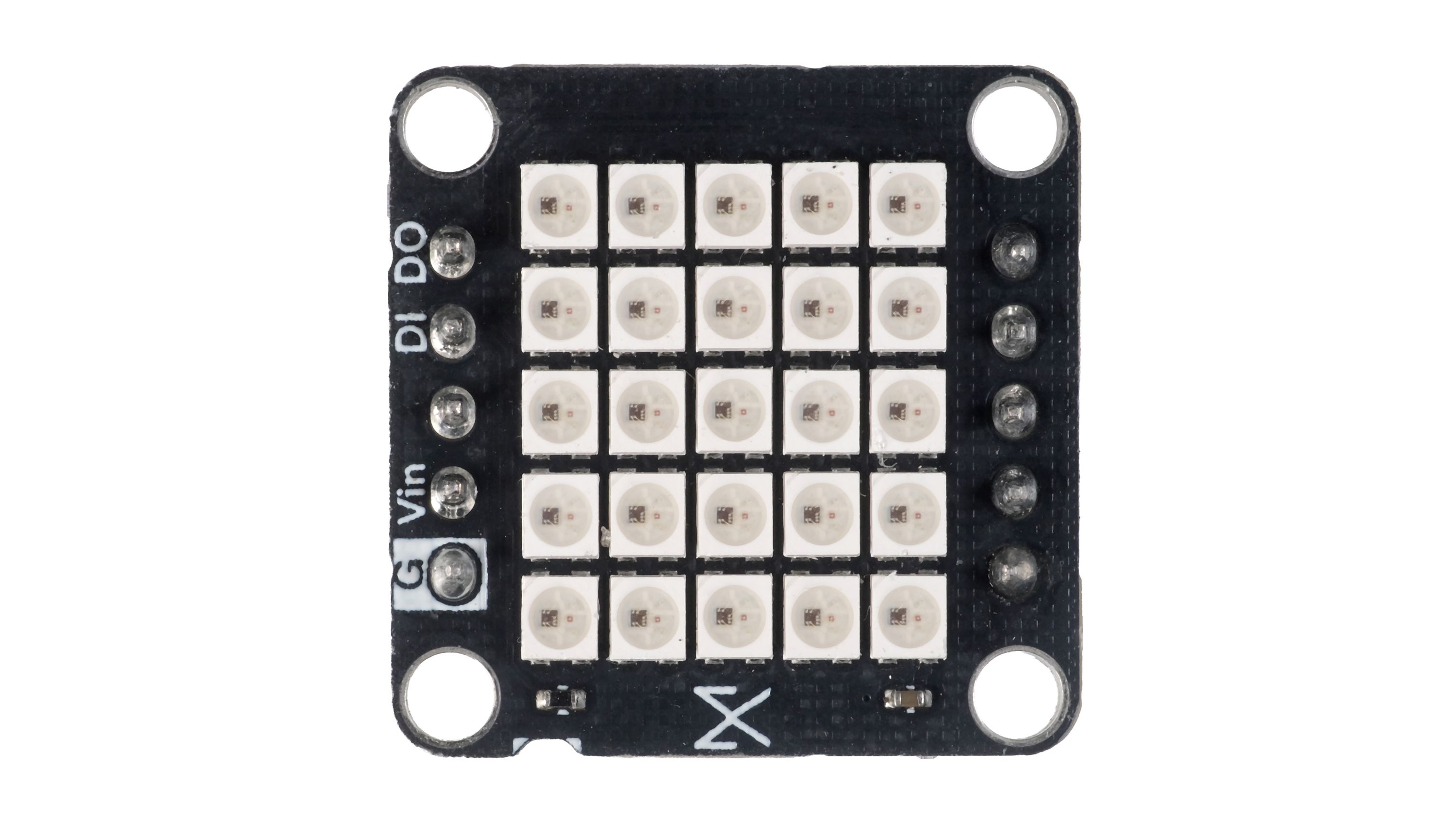
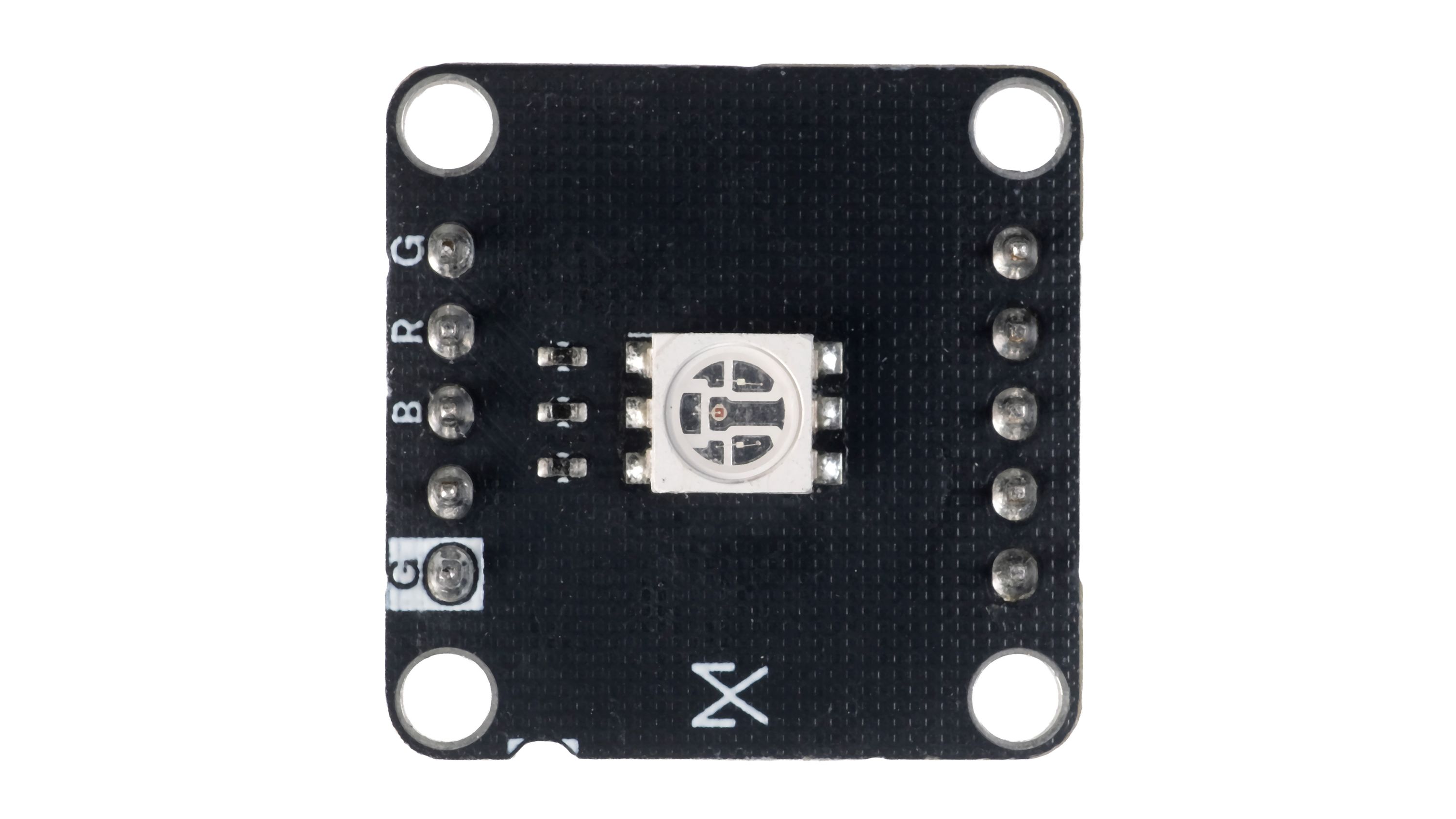
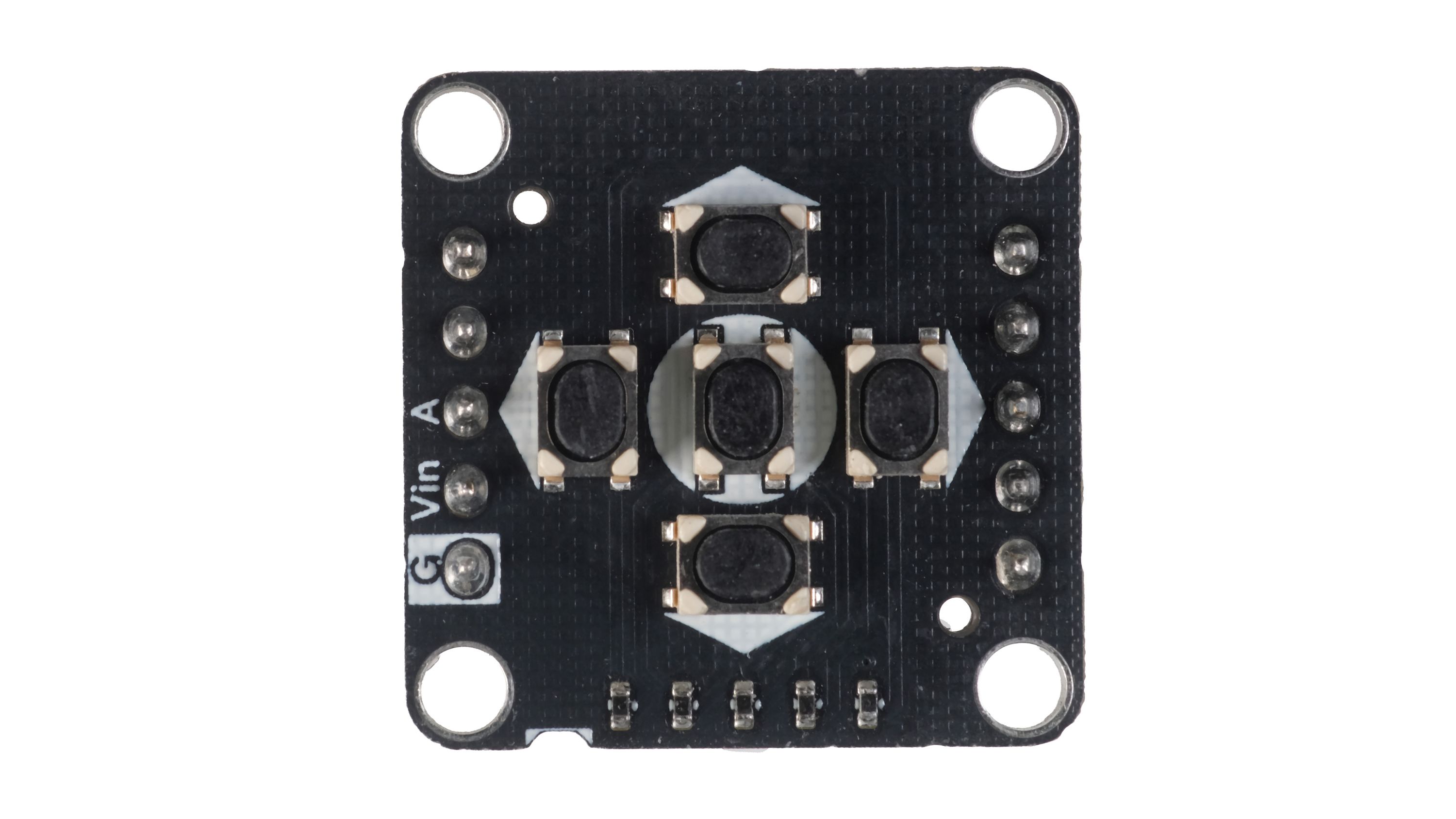
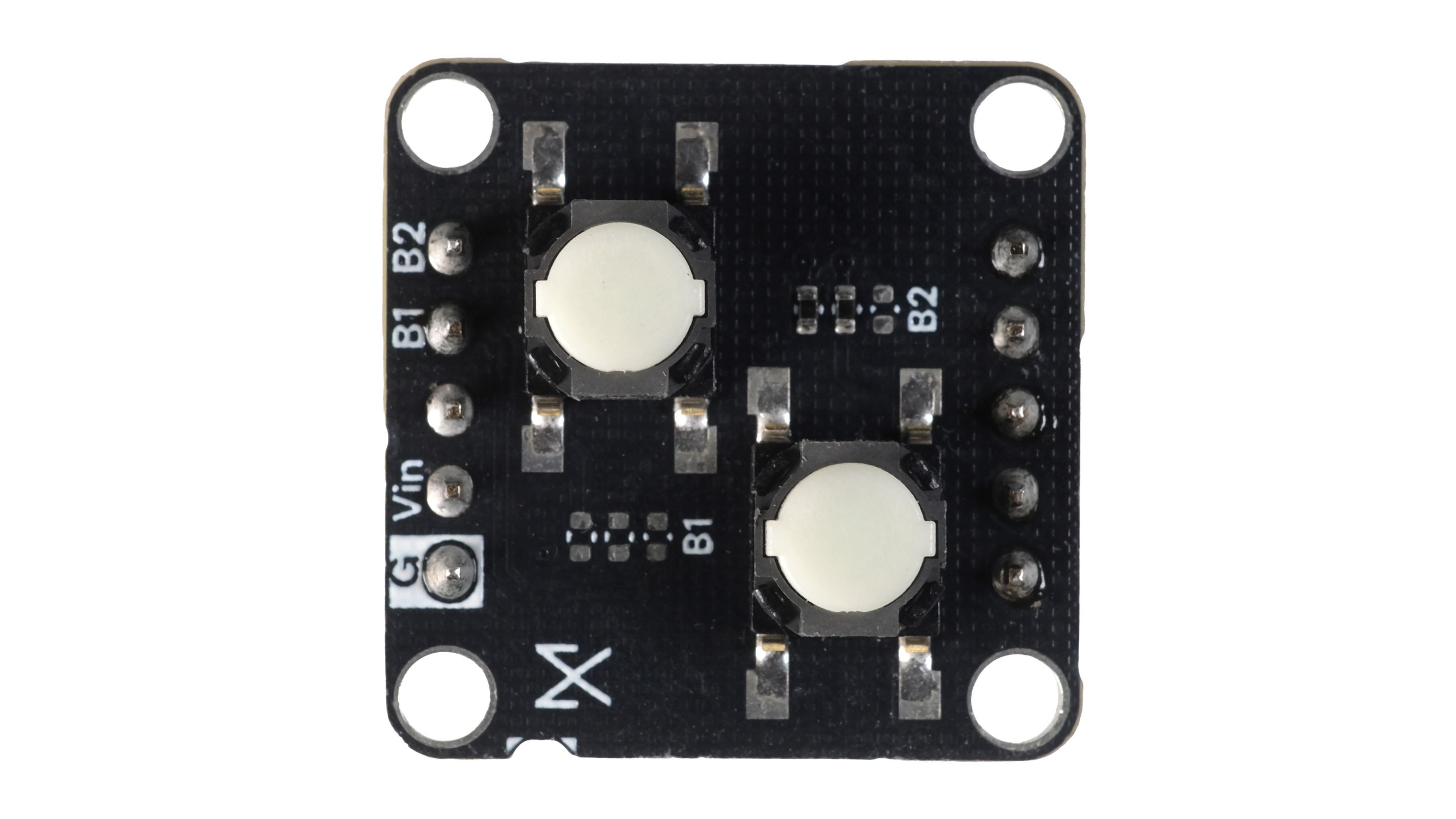
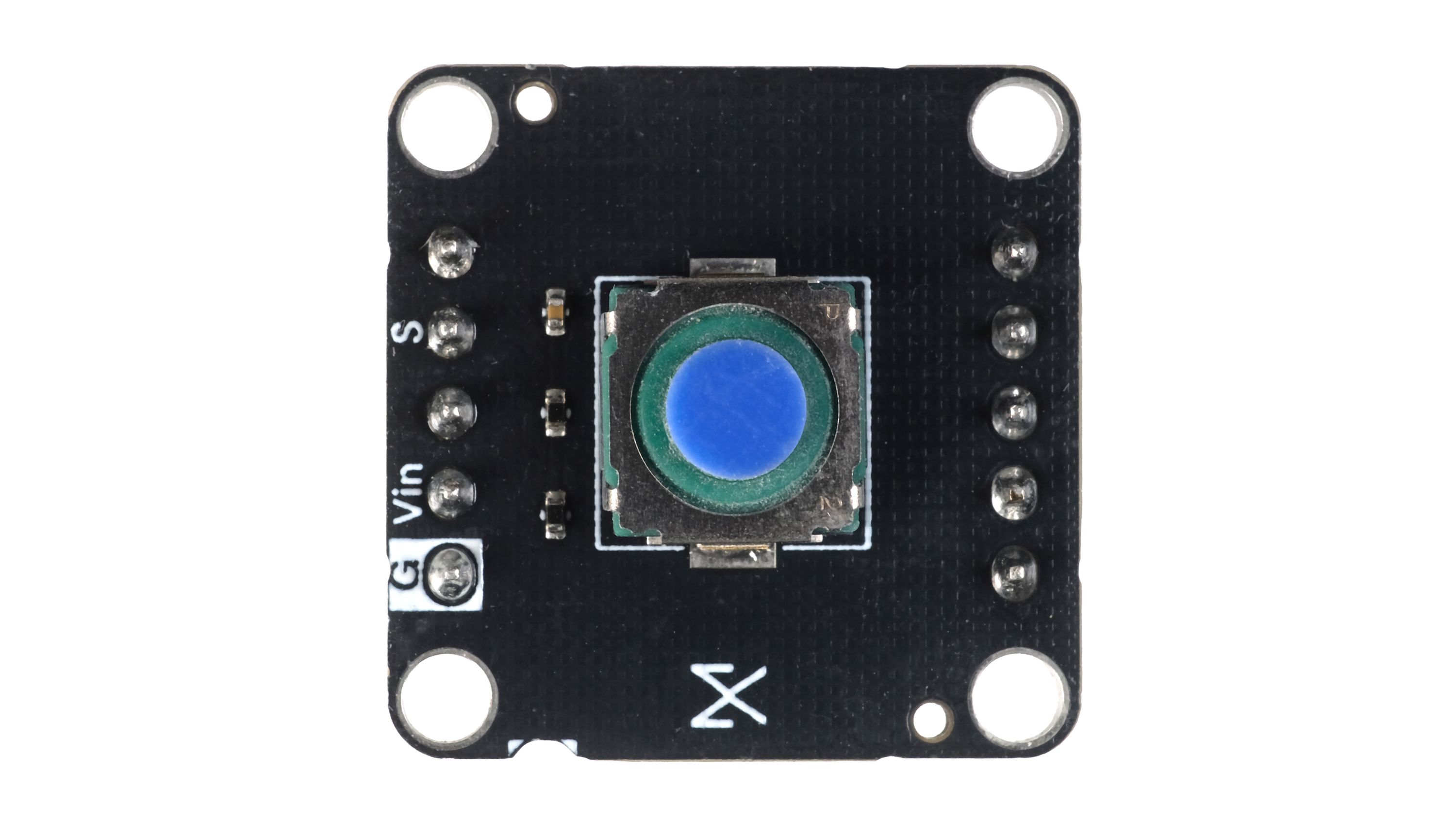
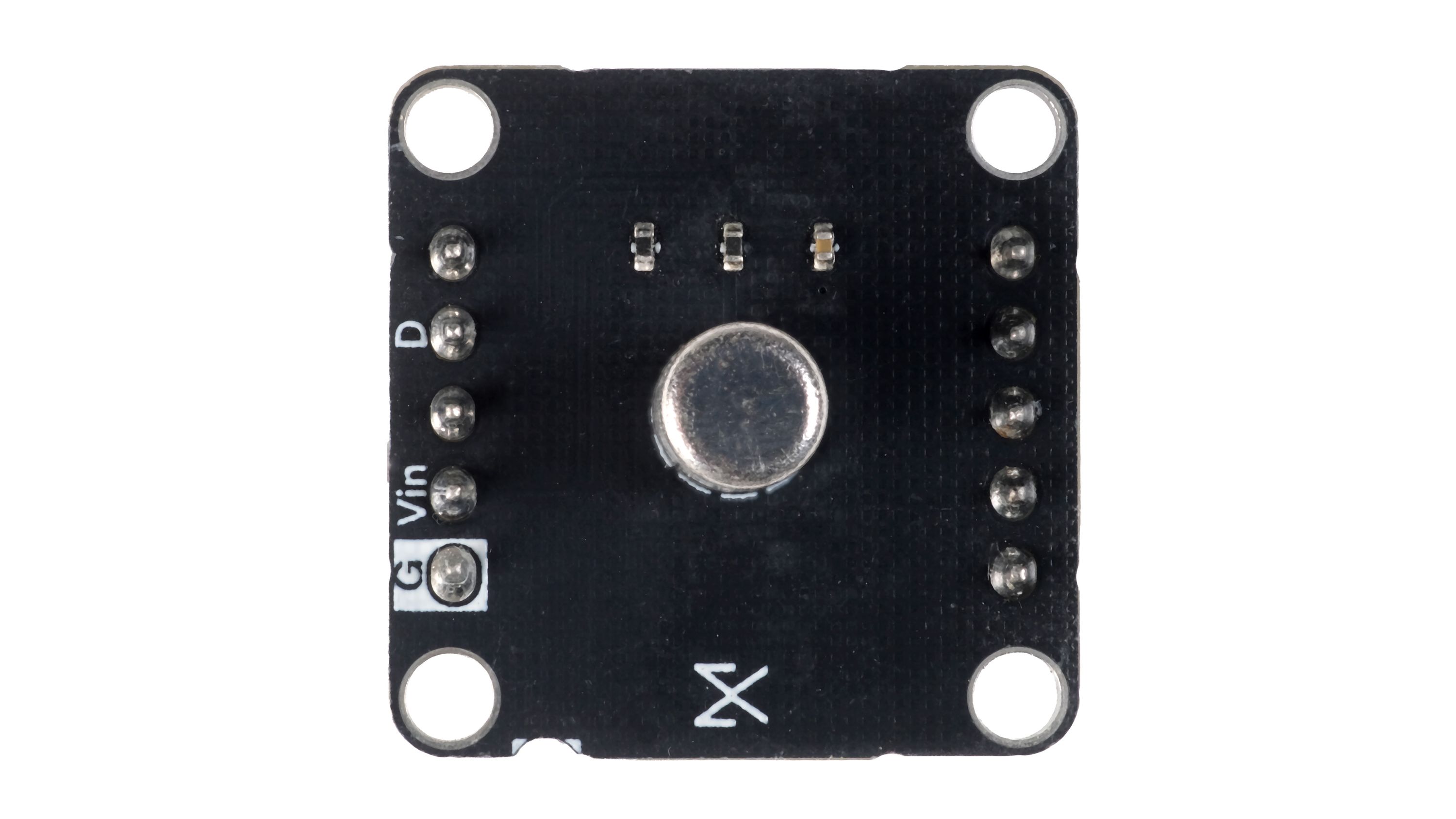
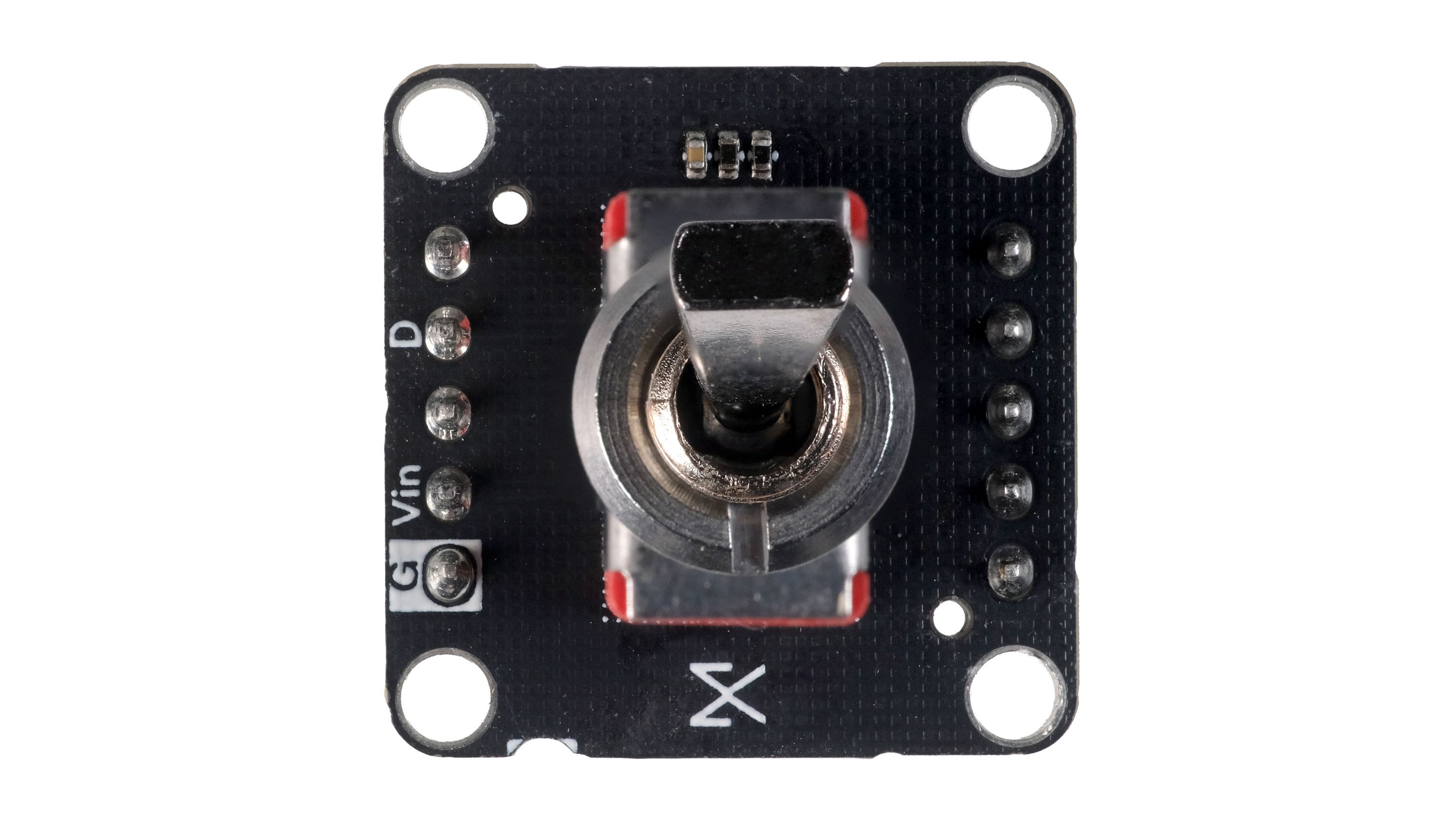
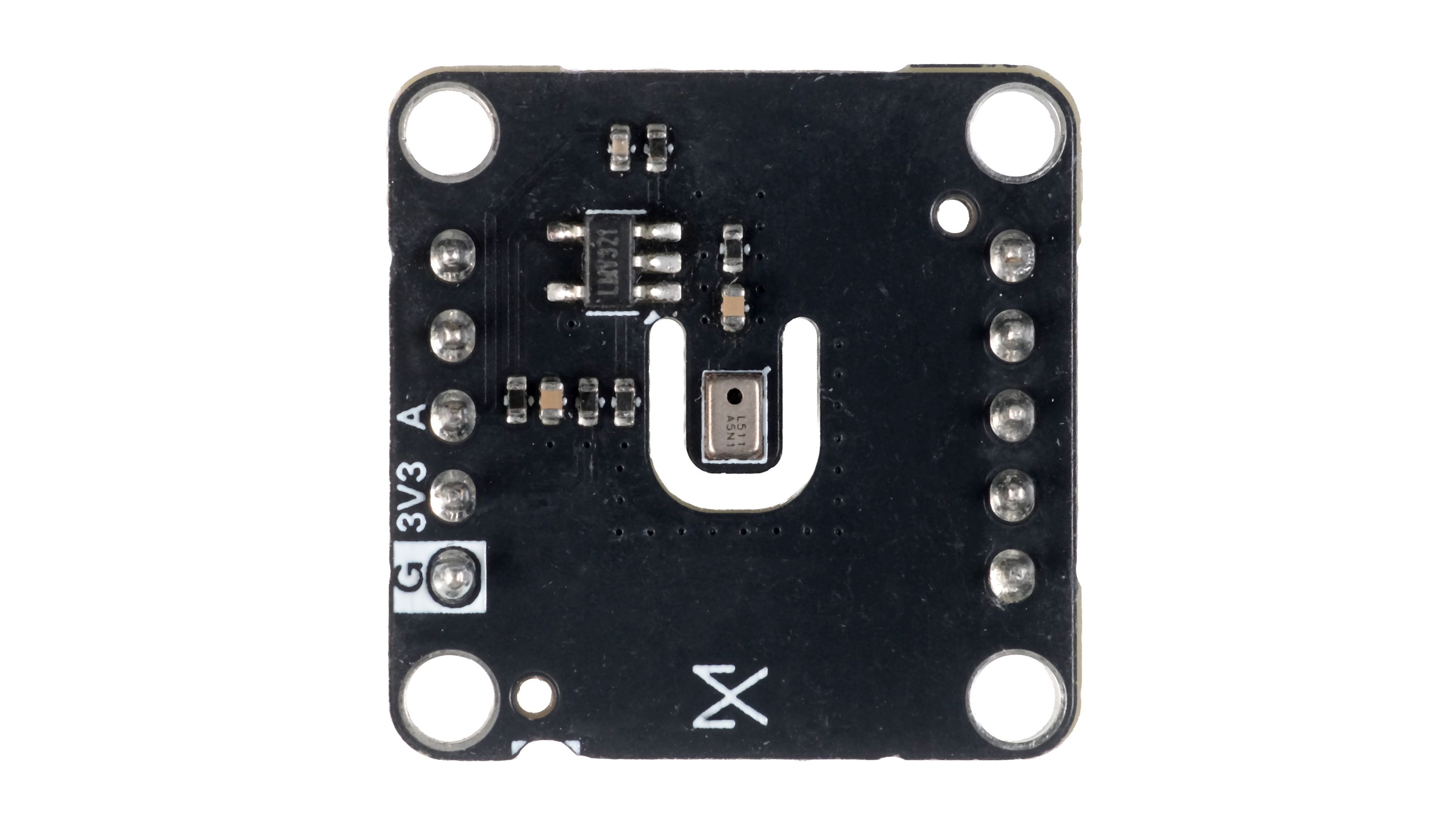
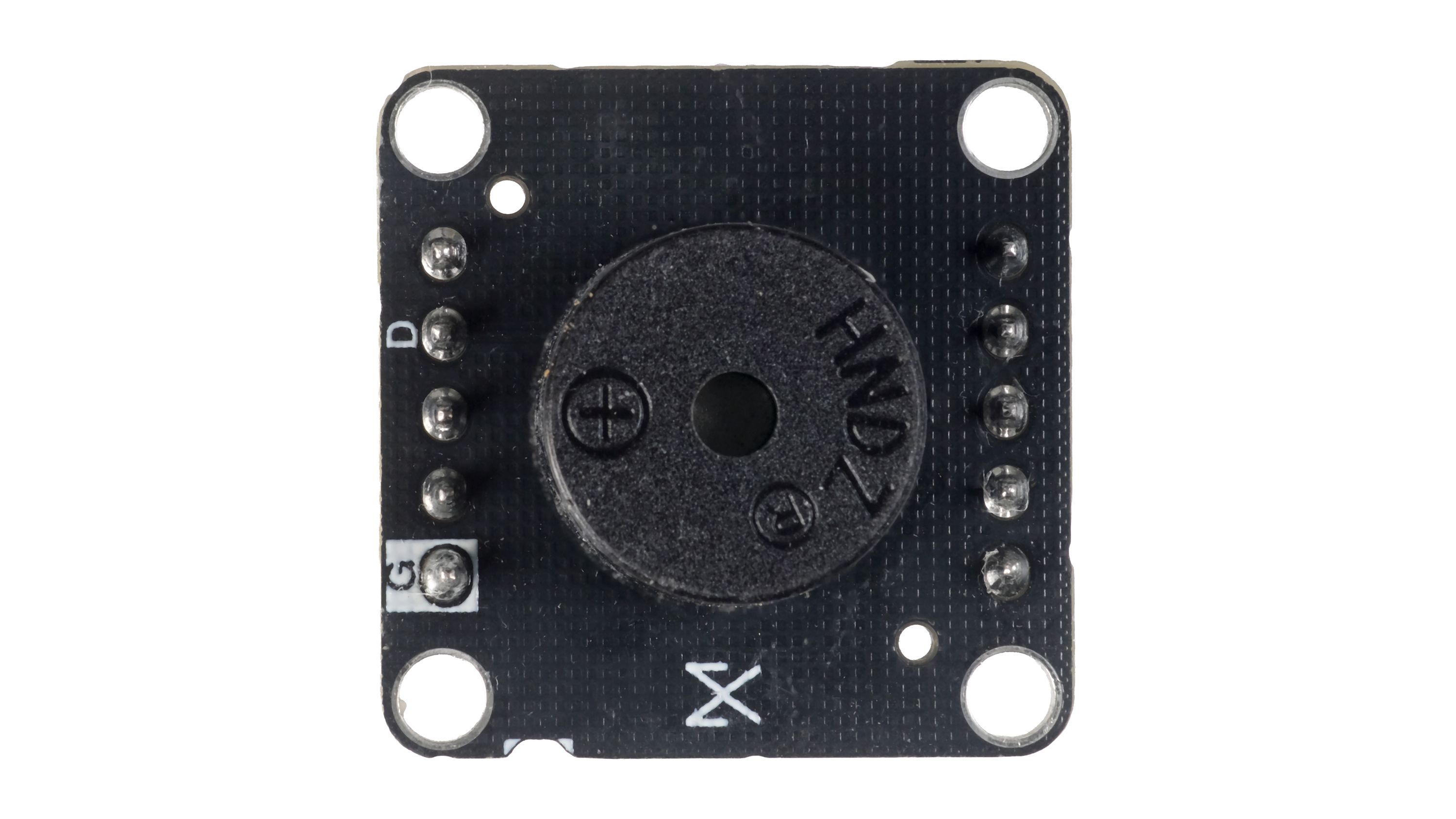
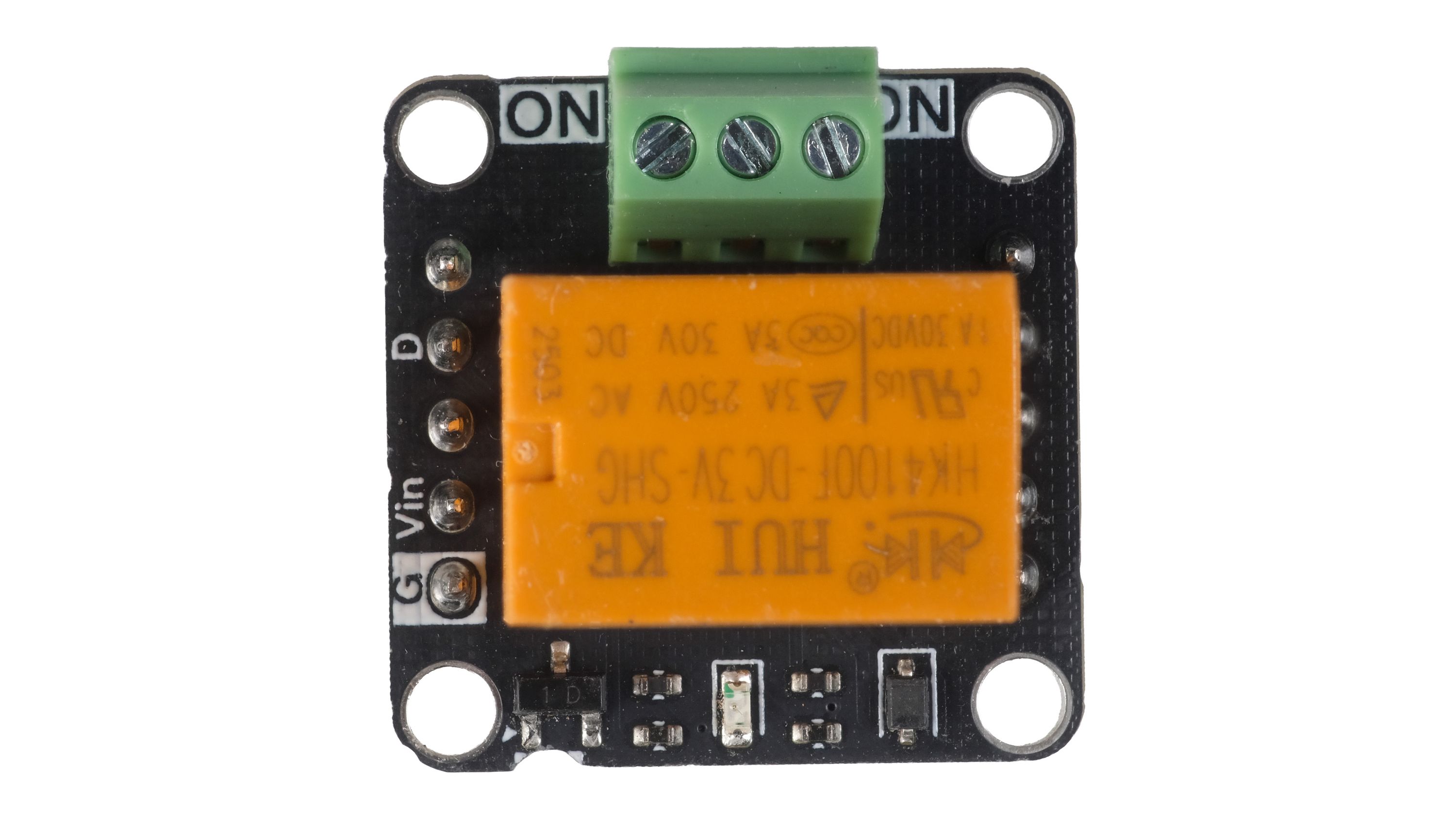
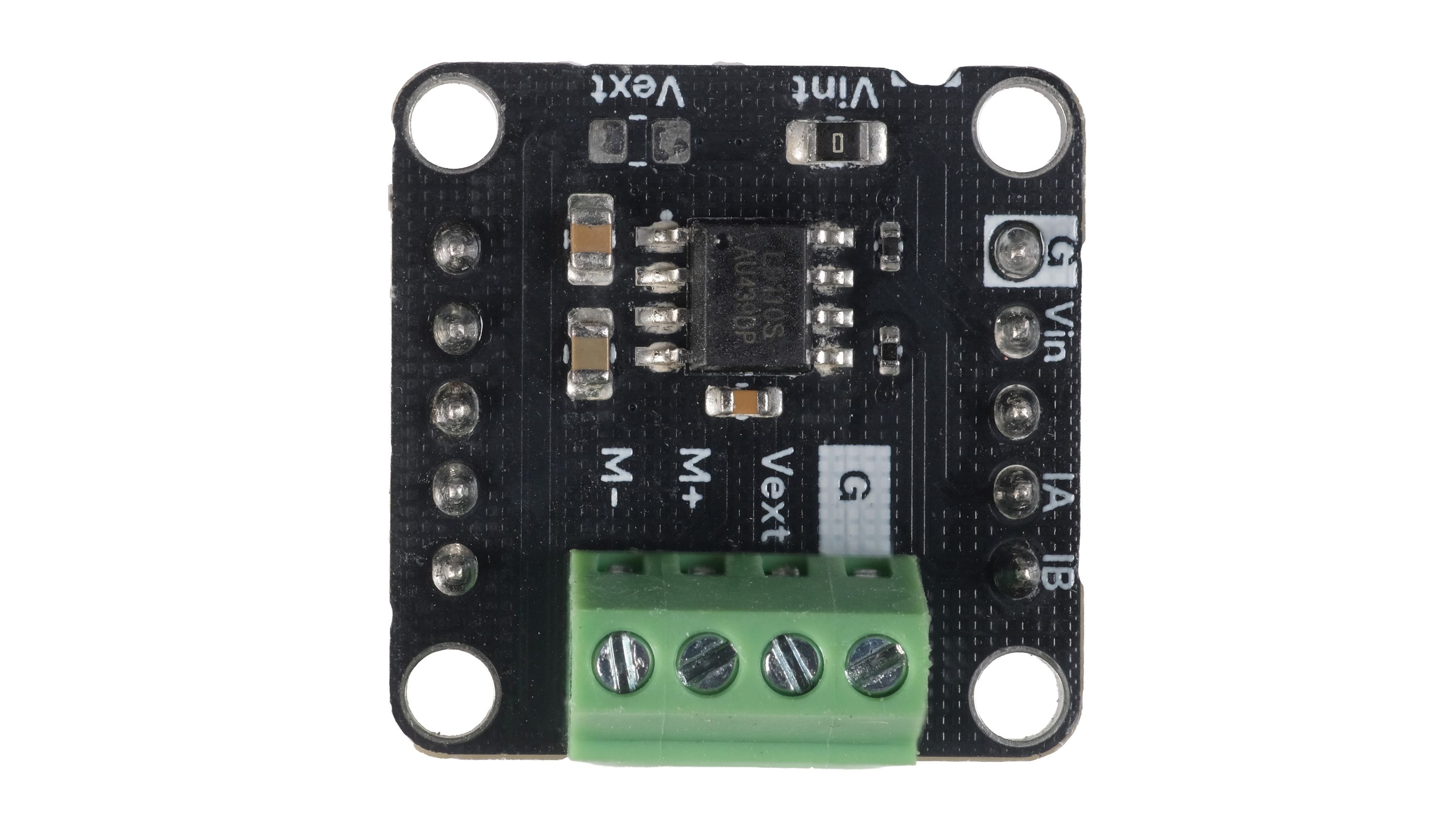
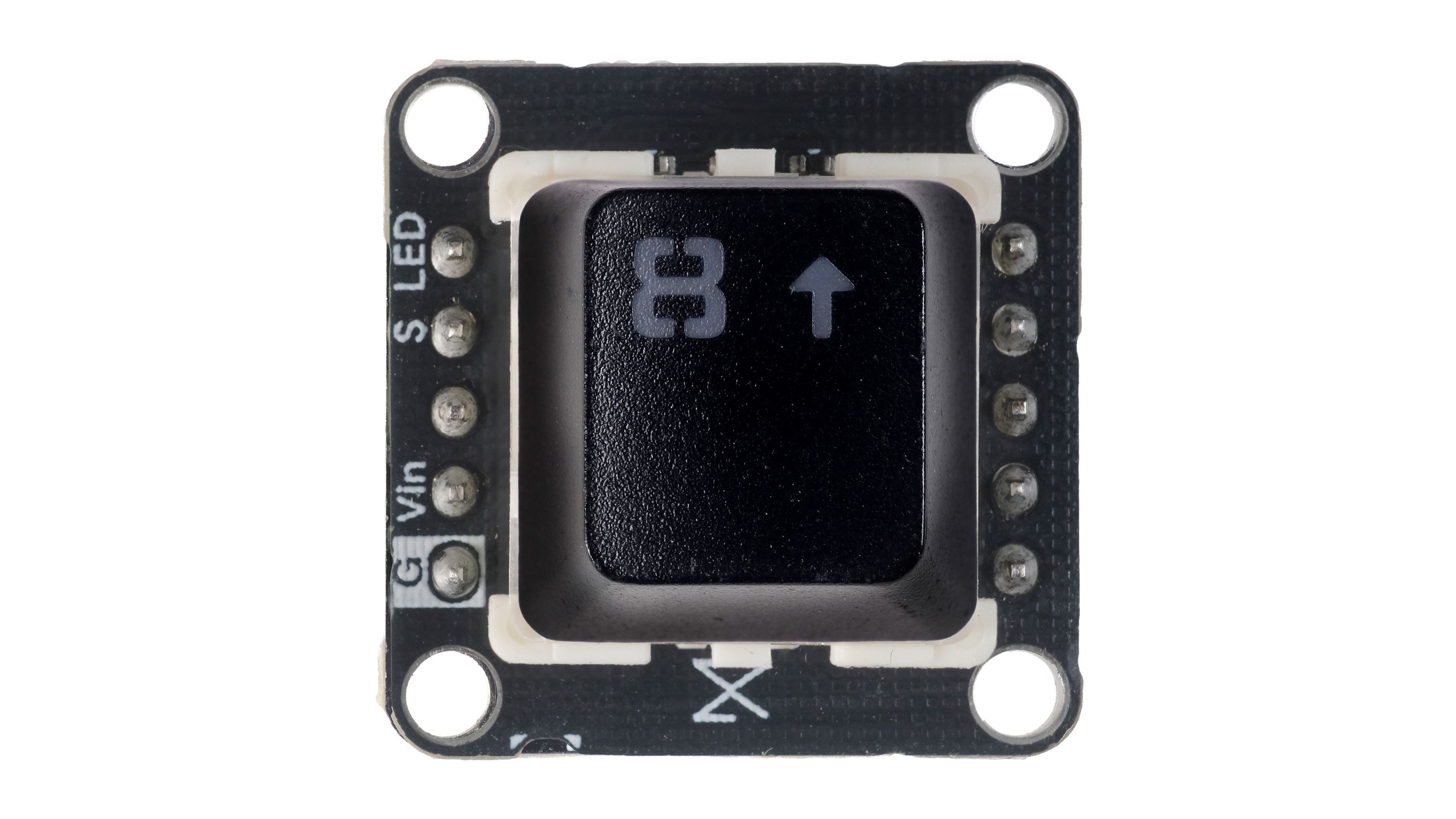
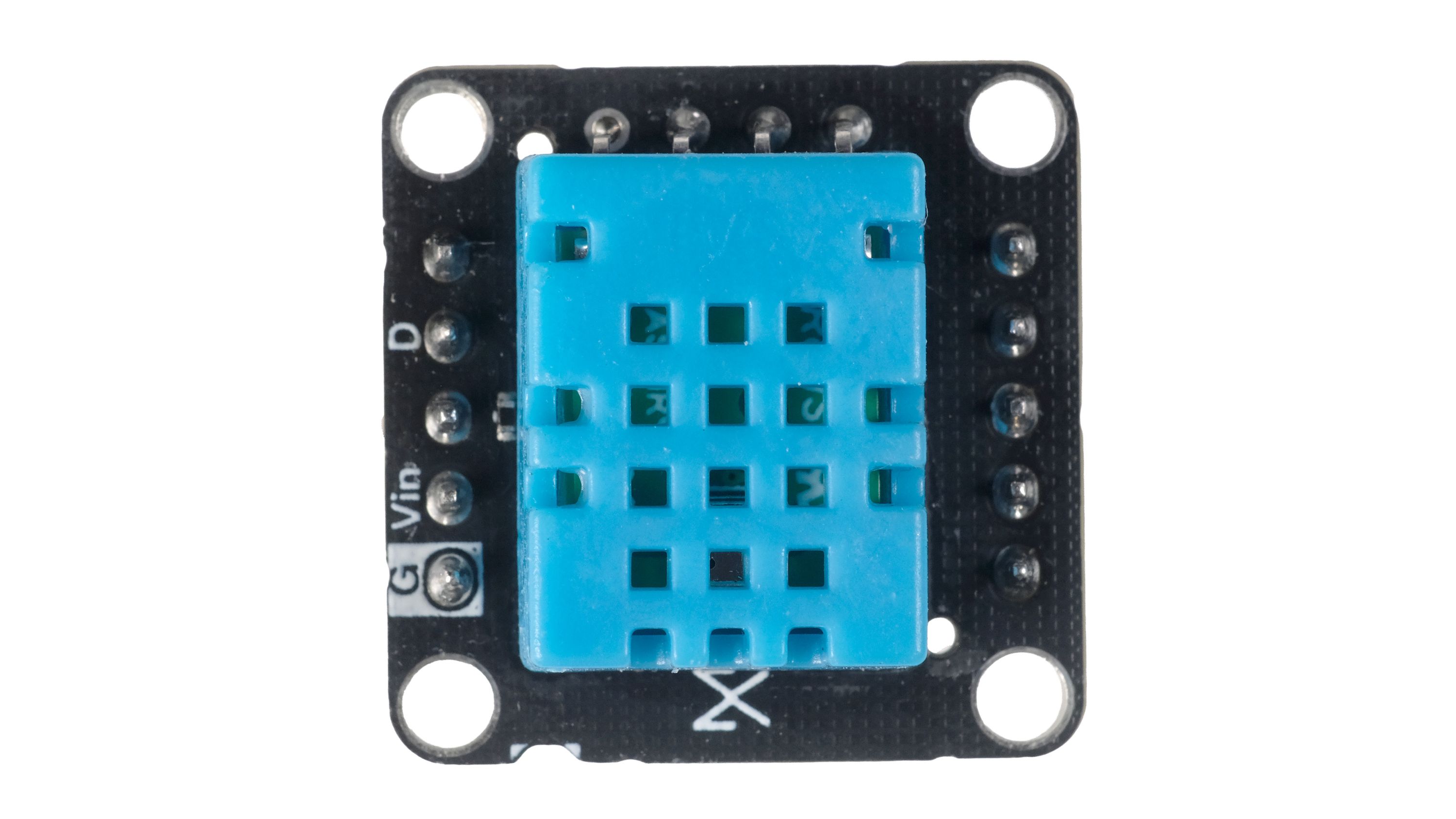
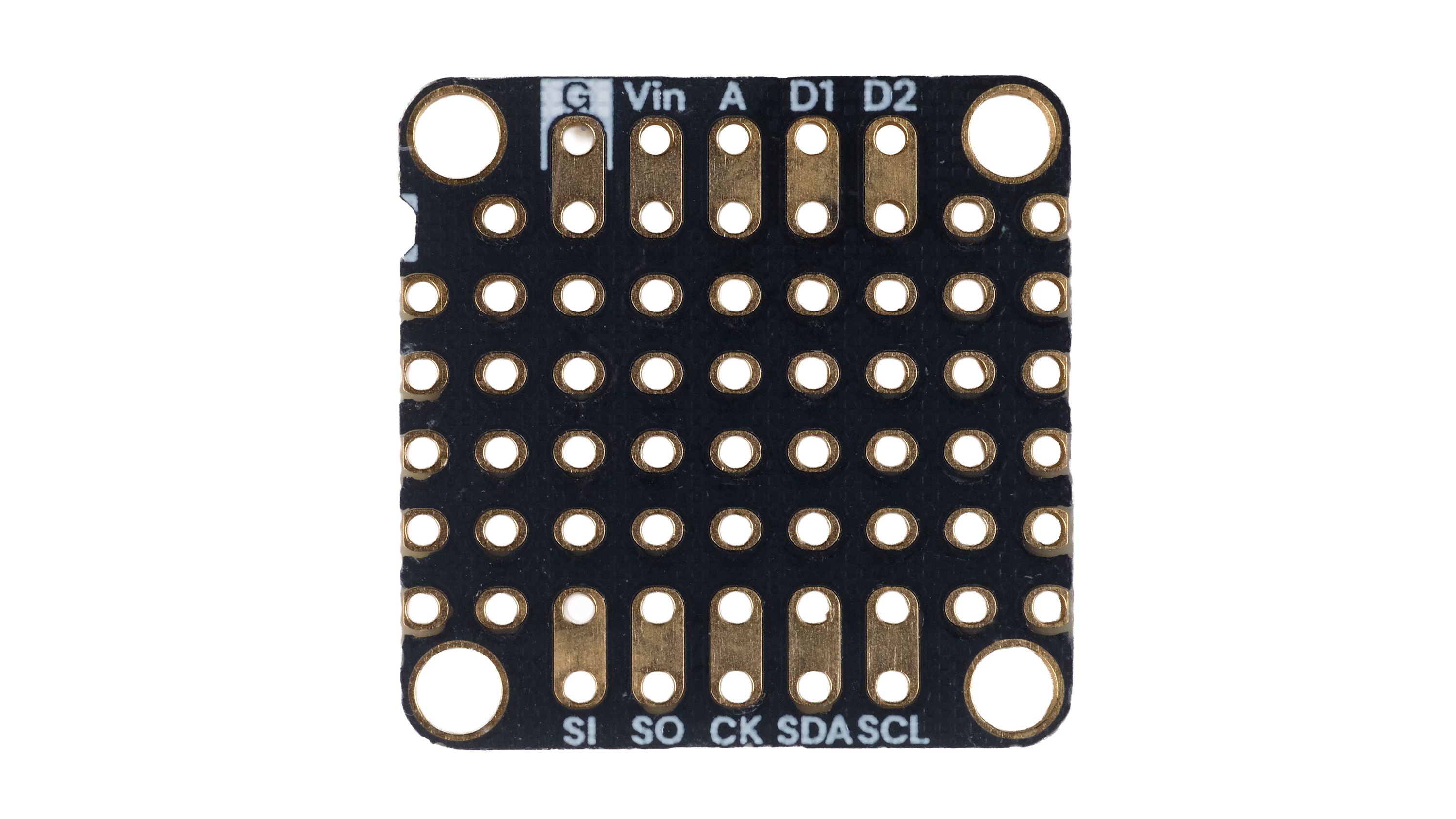
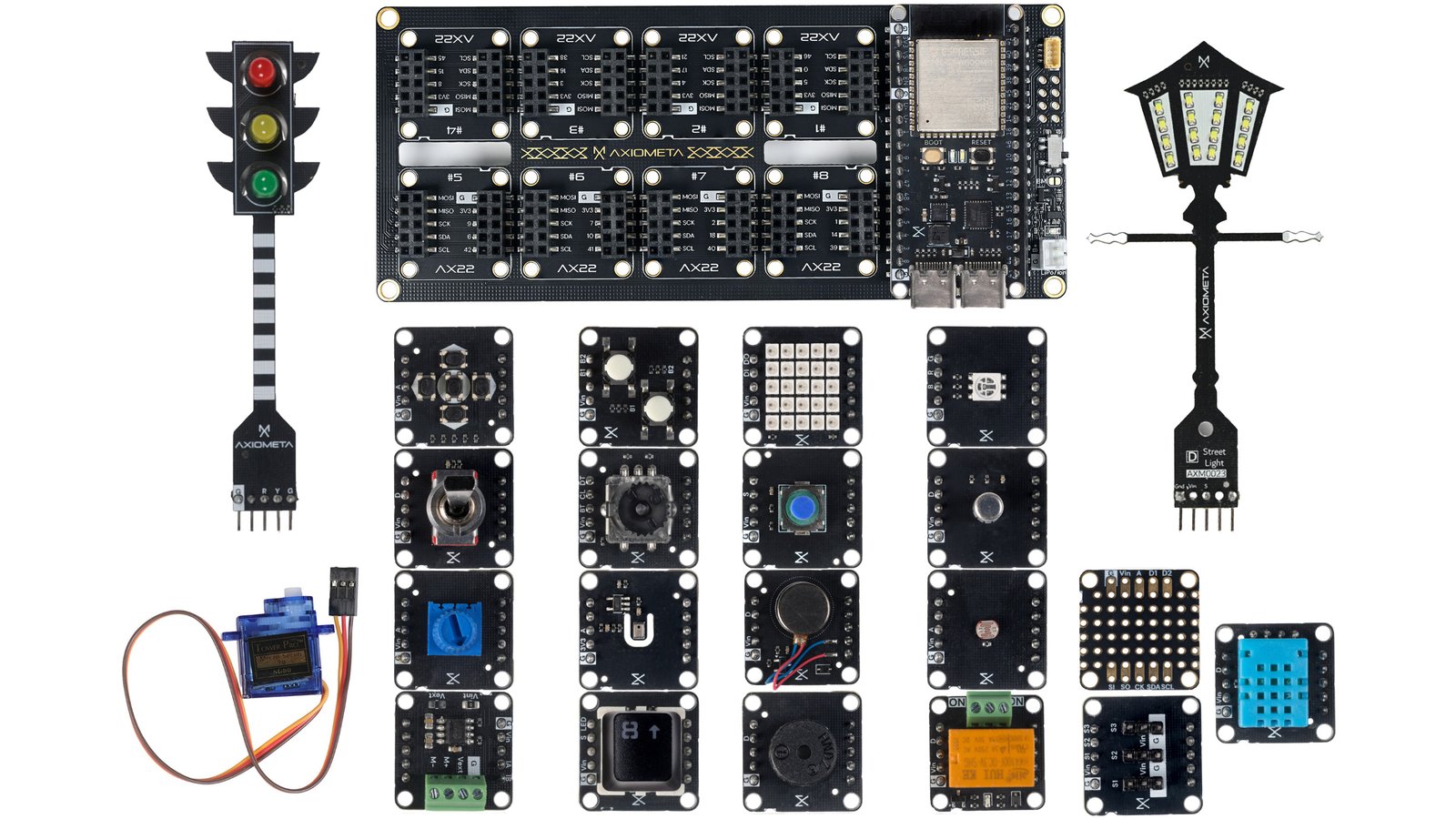
5x5 Neopixel Matrix, RGB LED, D-Pad Button Controller, Two Pads, Push Button, Vibration Switch, Toggle Switch, Rotary Encoder, Vibration Motor, Light-Dependent Resistor (LDR), Potentiometer, MEMS Microphone, Active buzzer, 3 A Relay, DC Motor Driver, Keyboard Key w/ NeoPixel, Servo Adapter (w/ Servo Motor), Temperature and Humidity Sensor (DHT11), Blank Prototyping Module
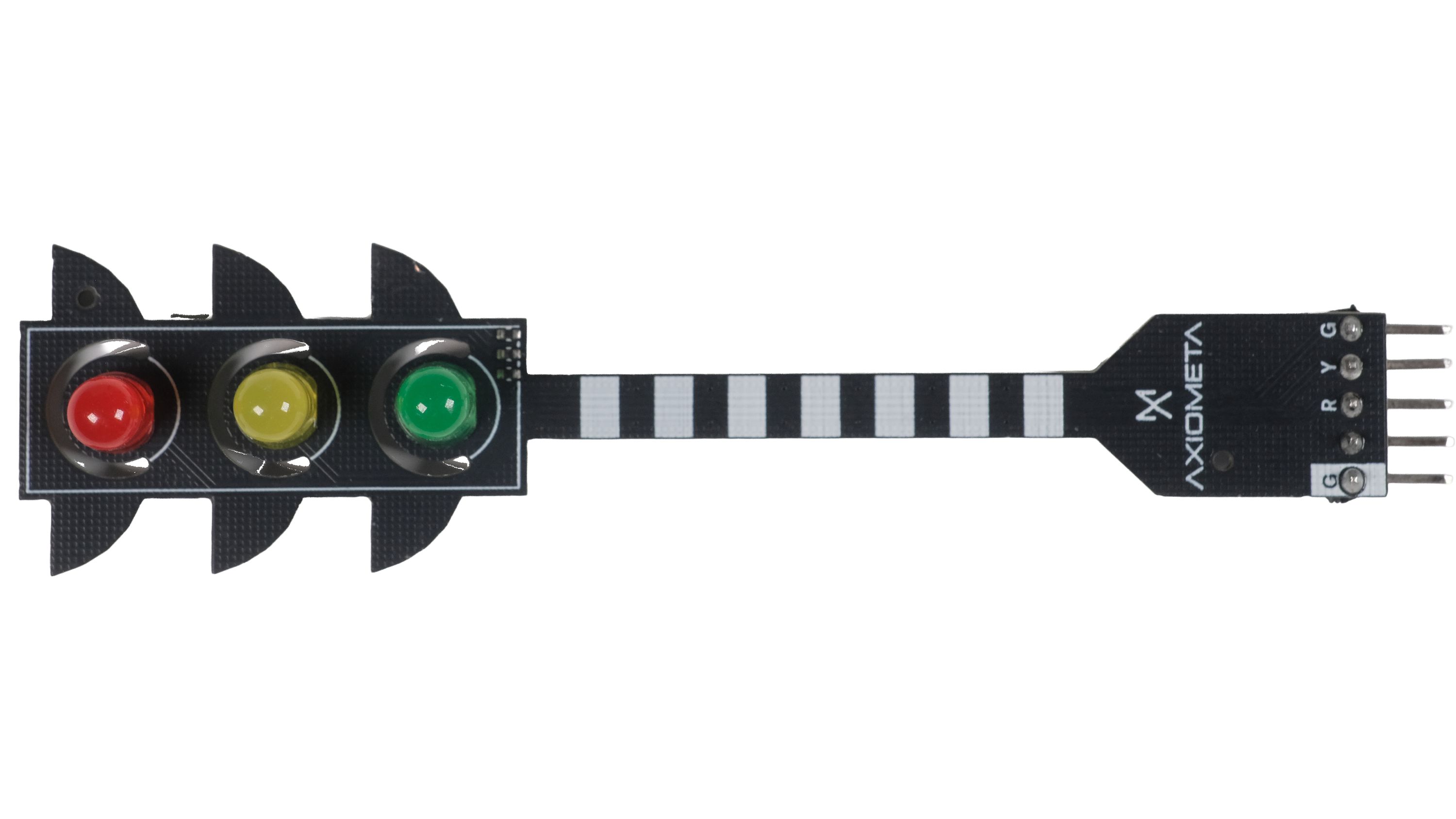
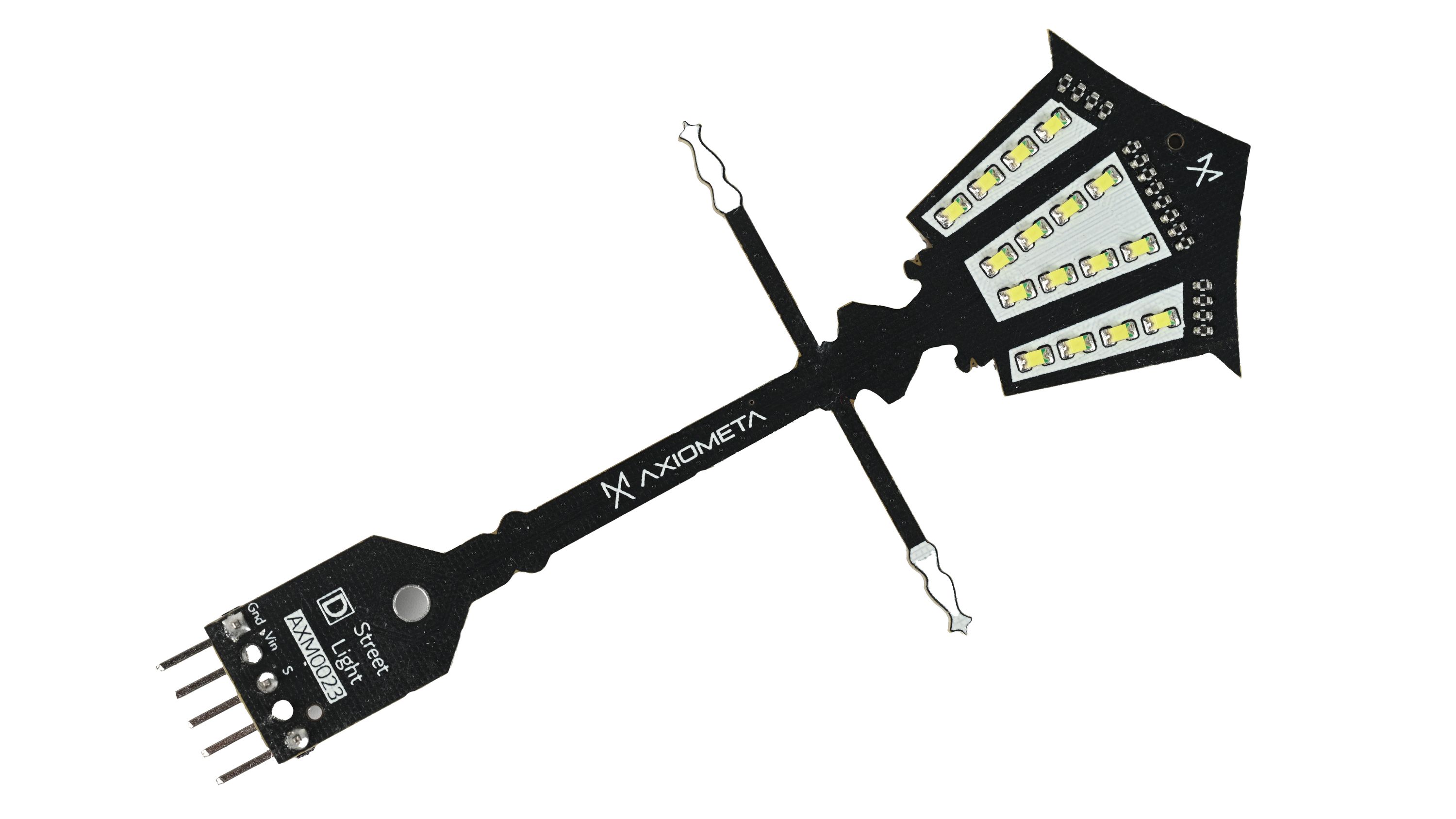
Traffic Light Module, Street Light Module
Extension Kit
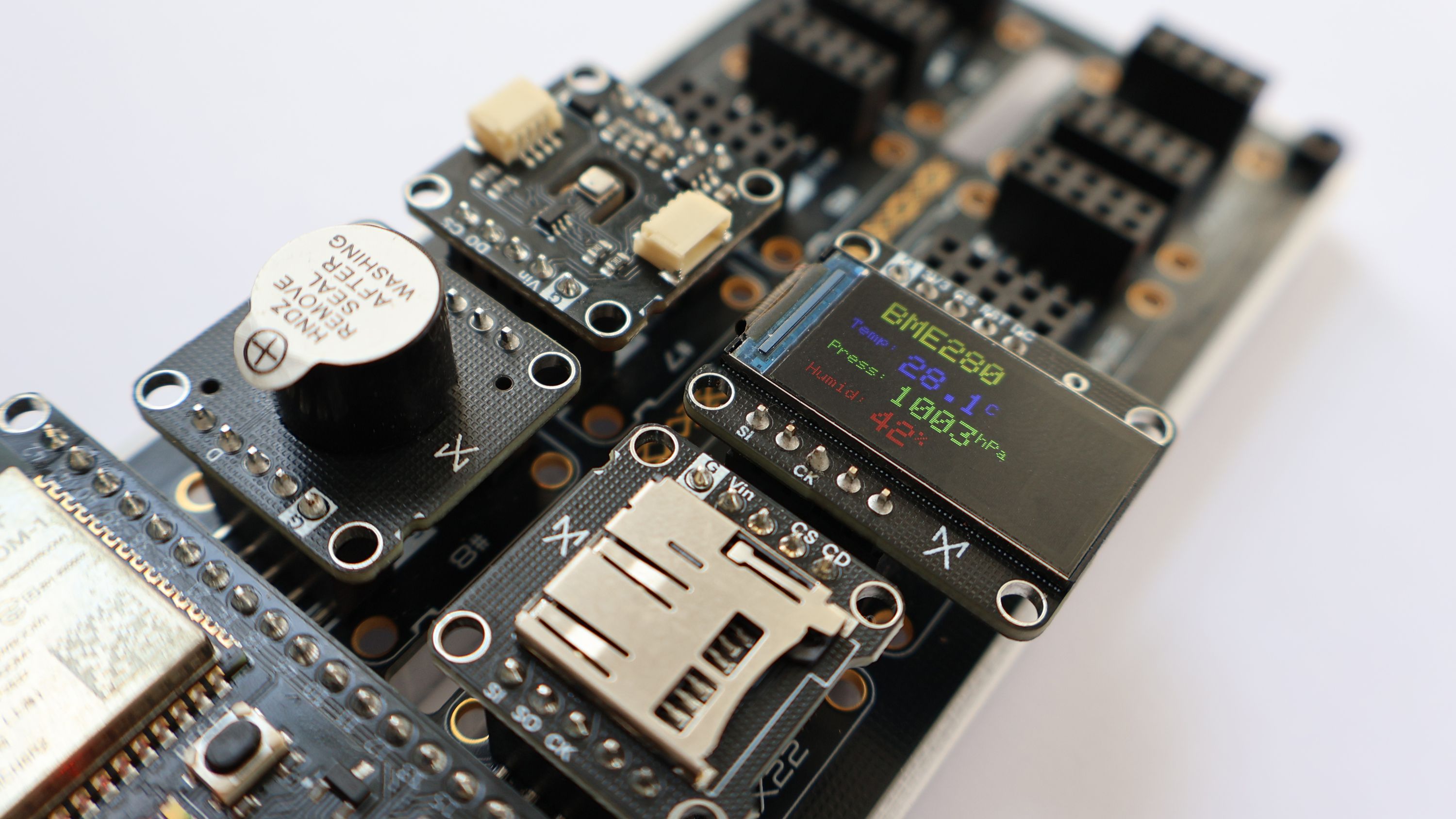
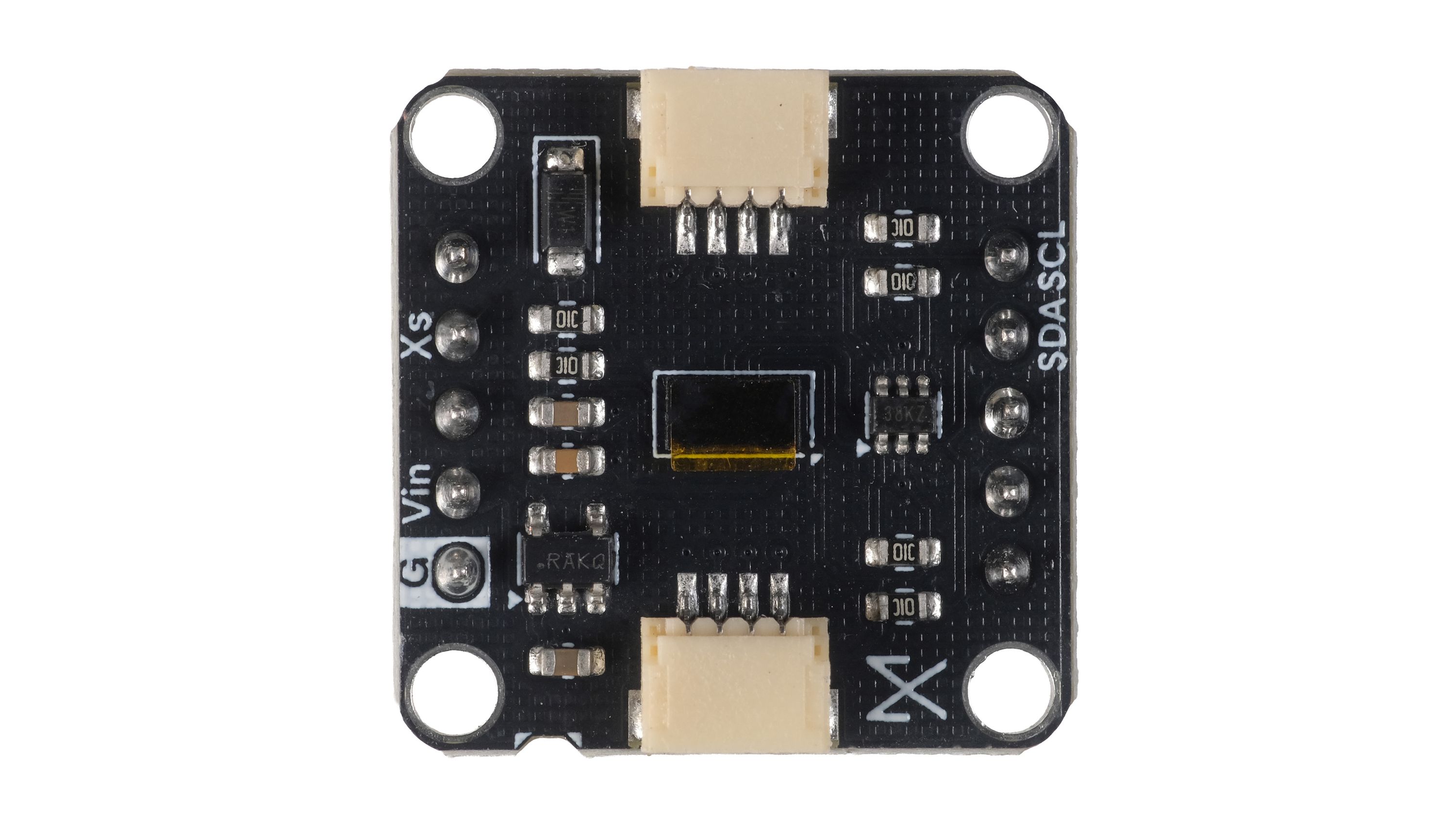
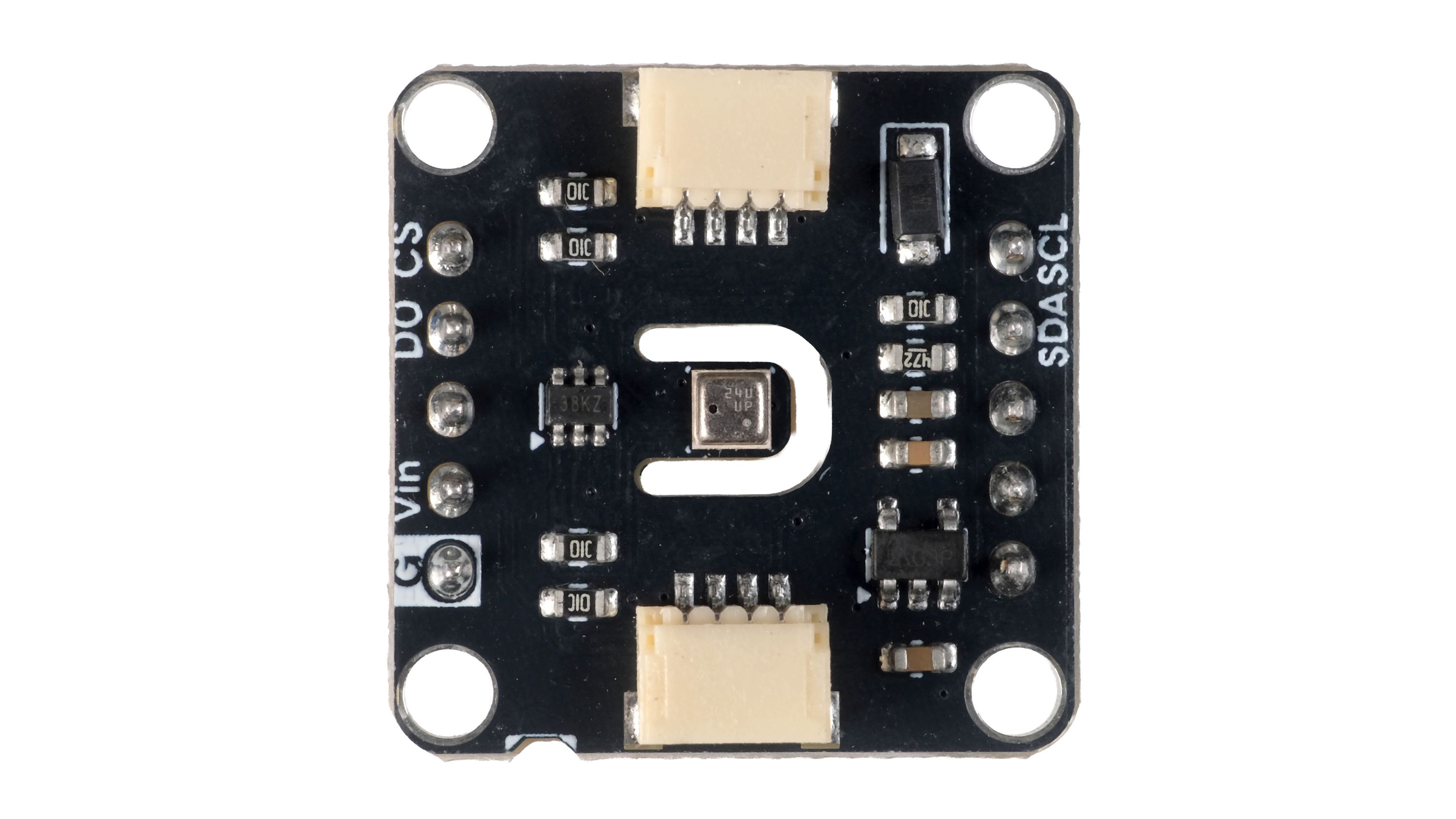
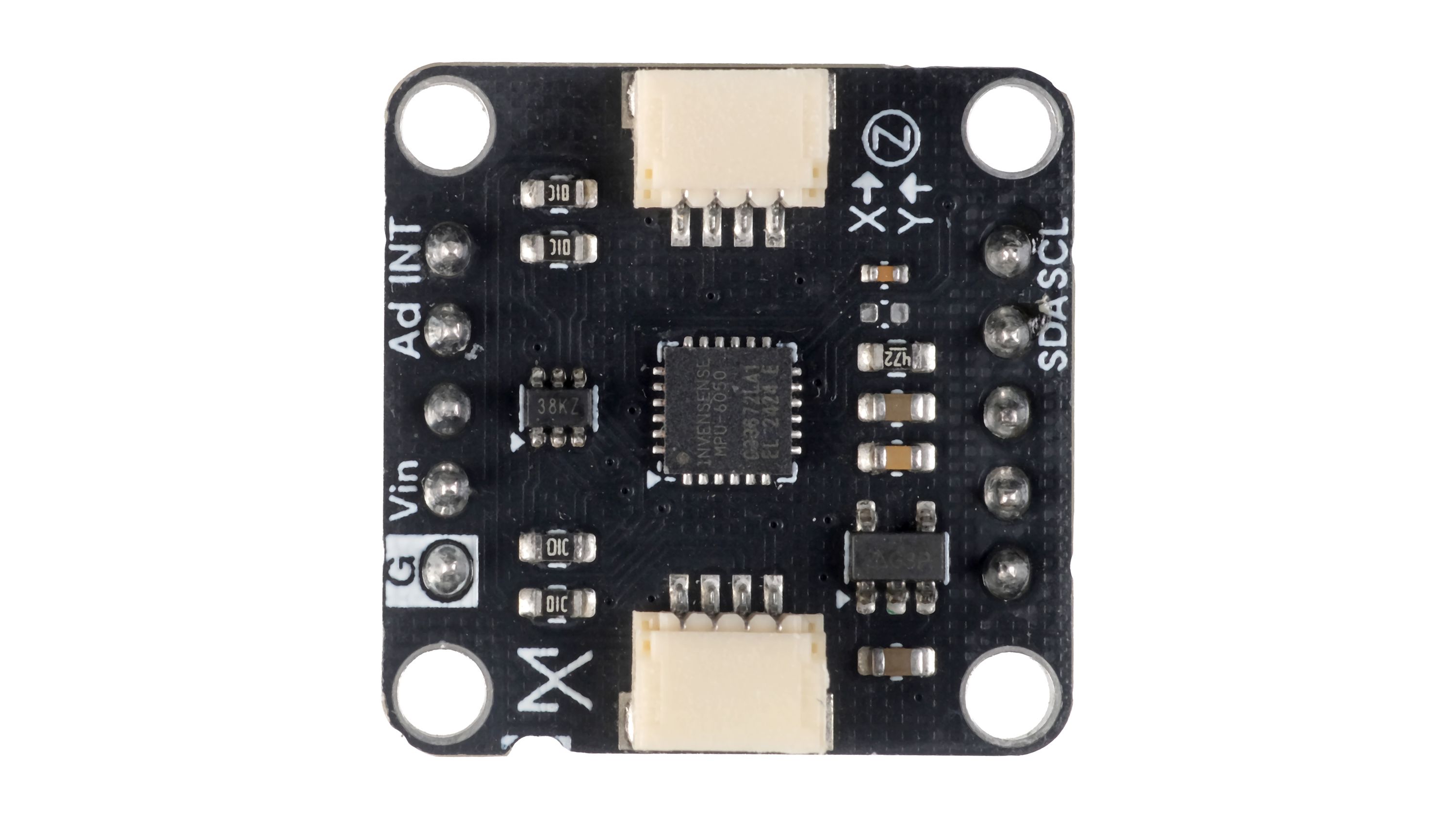
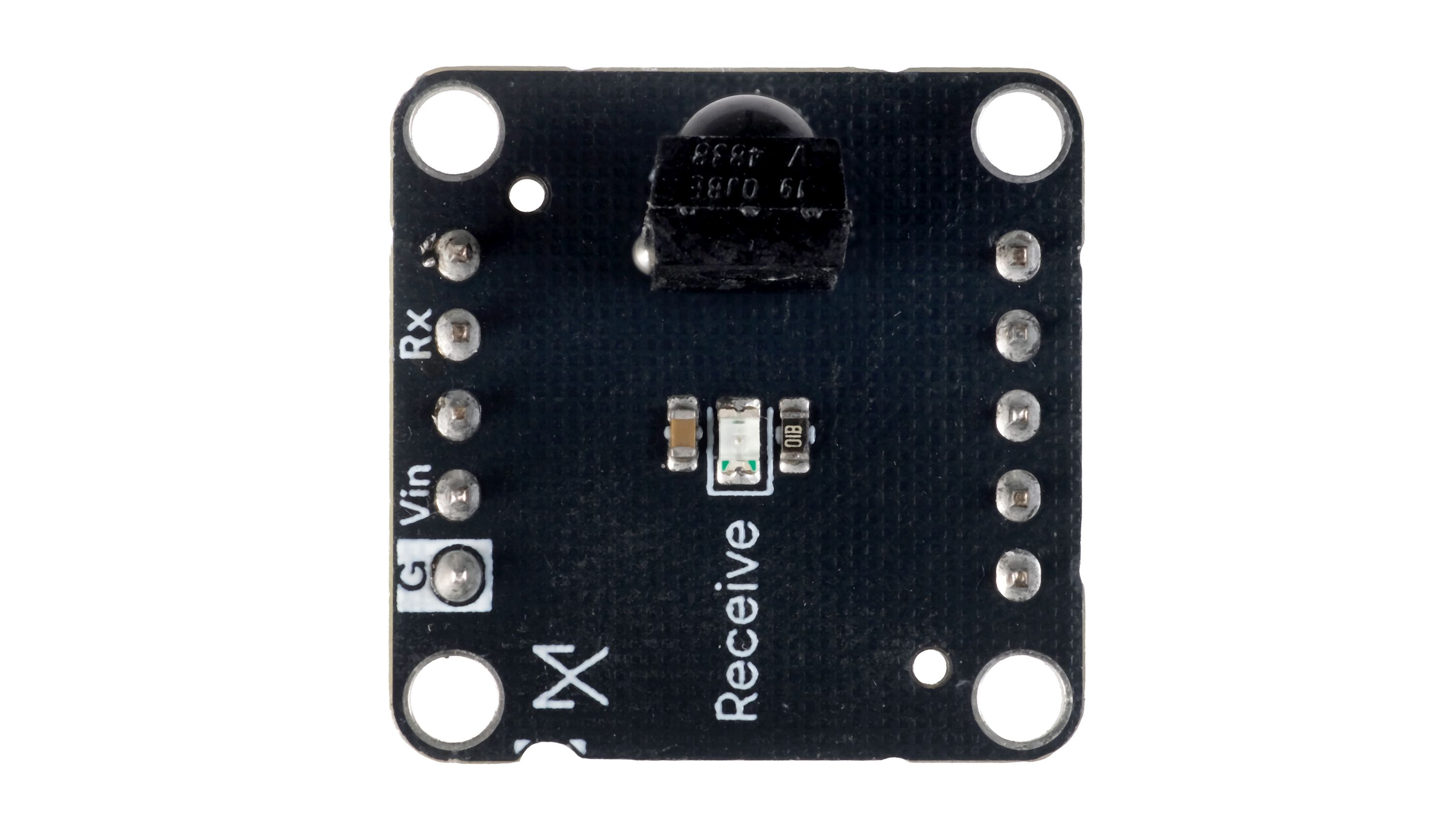
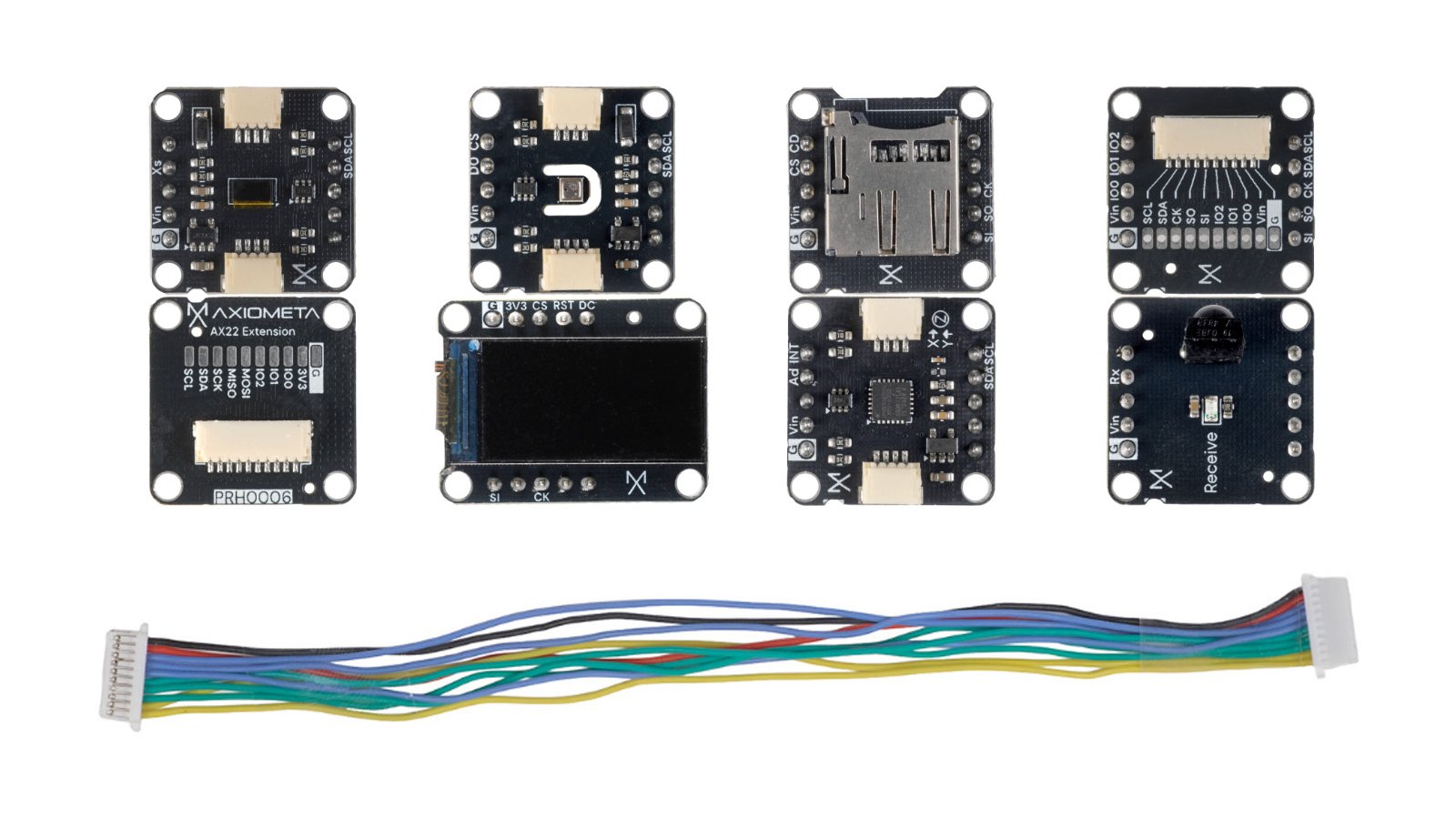
Distance Sensor (VL53L0CX), Humidity Sensor (BME280), SD Card Adapter, Port-to-Wire Adapter (w/ cable), Port Extender, IPS-over-SPI LCD Display (160x80), Accelerometer (MPU6050), IR Transceiver
Comparisons
| Axiometa Genesis IoT Discovery Lab | SunFounder ESP32 Kit | Elegoo Arduino UNO Kit |
| Intended Users | Teachers, product designers, STEM kits, hobbyists, beginners | Hobbyists, students, tinkerers | Hobbyists, students, beginners |
| Included Modules | ESP32 Microcontroller board + Genesis Matrix + 20 Modules + Servo Motor | 25–30 loose components (camera, sensors, motors, etc.) | 30+ components (LEDs, buttons, relays, sensors) |
| Microcontroller | ESP32-S3 Dual-Core LX7 @ 240 MHz | ESP32-WROOM-32E Dual-Core LX6 @ 240 MHz | ATmega328P 8-bit @ 16 MHz |
| Flash | 8 MB Flash | 4 MB Flash | 32 KB Flash |
| RAM | 2 MB PSRAM | 520 KB SRAM | 2 KB SRAM |
| Connectivity | Wi‑Fi 4, Bluetooth 5 LE | Wi‑Fi 4, Bluetooth 4.2 | None |
| USB Interface | Dual USB Type‑C (UART via CP2102 + USB‑OTG) | Micro‑USB (CH340C) | USB Type‑B |
| ADC / PWM / GPIO | 20 ADC / 31 PWM / 45 GPIO | 18 ADC / 16 PWM / 34 GPIO | 6 ADC / 6 PWM / 14 GPIO |
| Touch Pins | 15 | 10 | None |
| Power Supply | 1.8 - 5.5 V (V‑System), USB Type‑C | 5 V (Micro‑USB) | 5 V (USB or barrel jack) |
| Battery Support | Yes | No | No |
| Special Features | USB‑OTG, Boot + Reset, Activity LED, Power LED | Boot + Reset, Activity LED, Power LED | Reset Button only |
| Assembly Method | Plug-and-play AX22 modules (no jumper wires needed) | Breadboard + jumper wires | Breadboard + jumper wires |
| Project Speed | Very fast – connect modules, select function, generate code | Slower – wire, code, debug | Slower – wire, code, debug |
| Portability | Yes – compact, modular, no breadboard required | No – fragile setup | No – wires and breadboard |
| Documentation | Each component is open source with full documentation | Basic online tutorials | Printed + PDF guidebook |
| Price Range | $70 Starter Kit + $49 Extension Kit | $59.99 | $64.99 |
Support & Documentation
Every single Genesis IoT Discovery Lab component is open-source hardware available under the CERN-OHL-S-2.0 license. We have schematics available for you on our website, where you will also find easy getting-started projects, first-time setup guides, and other documentation:
Manufacturing Plan
We’re excited to announce the start of Genesis production! We’ve successfully tested our prototypes and are ready to make the first batch. To ensure quality, we’ll be working with a trusted manufacturer (likely a blend of Elecrow and JLCPCB) to produce a limited number of units. This will help us fine-tune the process before scaling up production.
Fulfillment & Logistics
After our production run is complete, we will package everything up and send it along to Crowd Supply’s fulfillment partner, Mouser Electronics, who will handle distribution to backers worldwide. You can learn more about Crowd Supply’s fulfillment service under Ordering, Paying, and Shipping in their guide.
Risks & Challenges
We’re aware of the supply-chain risks and have plans in place to mitigate them. We’ll also be working closely with our manufacturing partners to monitor the production process and address any issues that arise. Finally, we’ve invested in quality control and testing facilities, so we have a dedicated team who are passionate about making Genesis the best it can be.
We’re committed to providing excellent customer support as well, and we’re here to help you with any questions or problems you may have. We’re always looking for ways to improve Genesis IoT Discovery Lab!